

 +91 97699 40000
Best Aluminium Windows for Home Offices: Reducing Glare, Noise & Heat for Productivity
 September 2, 2026
TL;DR: A good home office window takes on the three things that wreck your focus: glare, noise, and heat. Aluminium double glazed windows manage it with the right glass and a proper seal. Screen glare gone. Outside noise down by as much as 35 decibels. Heat gain cut. Sit side-on to the window, go for tinted or double-glazed glass, and don’t cheap out on the sealing. The rest of this walks you through it.
The home office is here to stay. And the window next to your desk? It runs your working day far more than you’d give it credit for. Get it right and you forget it’s there. Get it wrong and the hours bleed away, squinting past screen glare, shouting over traffic on a call, wilting through a hot afternoon. So this is a guide to the best aluminium windows for a home office, and how to set them up so they actually earn their place.
What Makes a Window “Productivity-Friendly”?
It’s a window that keeps glare, noise, and heat under control without shutting out the daylight and fresh air you want. The good things get in. Light. A view. A breeze. The bad ones stay out. Screen glare, street racket, the afternoon heat. Aluminium handles this balancing act better than most, since the slim frames let in more glass and the sealing and glazing deal with the rest.
Worth remembering: daylight helps you work, but only once it’s controlled. Leave it unchecked and the glare and heat that ride in with it wipe out the gain. The trick with any office window is pulling in the light while keeping a lid on what tags along.
How Do You Reduce Screen Glare in a Home Office?
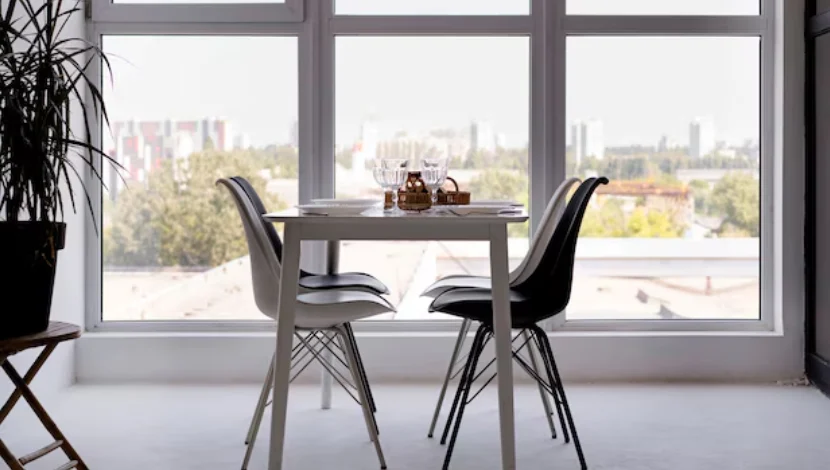
You cut glare by controlling how the light gets in, not by blocking it out. What you’re after is bright, even light across the room with no direct sun landing on your screen. Glare is that harsh, uneven brightness that washes out a display and tires your eyes, and it’s about the fastest way there is to lose your concentration.
Most of it comes down to where you sit. Face the window, and the sun’s in your eyes; back onto it and the sun’s on your screen. Sit side-on, and you get the daylight with neither problem, and honestly that one change fixes more glare than anything else you can do. From there it’s about the glass.
Tinted or double-glazed panes on sun-facing walls take the bite out of direct sun before it ever reaches the room, and west-facing windows deserve the most attention, since that low late-afternoon sun is the real menace. Pairing a fixed pane for light with an operable section means you get the brightness without having to crack the window for air. And where you just can’t dodge the direct sun, some adjustable shading lets you fine-tune it as the day moves.
Example: A west-facing home office in Gurugram used to be unusable after 3 p.m. Switching from single clear glass to aluminium double glazed windows with a light tint, then turning the desk 90 degrees, killed the screen glare and won back roughly three comfortable working hours a day.
How Do Soundproof Windows Improve Focus?

They help by cutting the outside noise that keeps snapping your concentration and hijacking your calls. Noise reduction windows work on two fronts at the same time. The glass dampens the sound vibration, and the sealing shuts off the gaps sound would otherwise leak through.
Soundproof windows, plainly put, are windows built to block sound, usually with laminated or double-glazed glass sitting in a tightly sealed frame. Aluminium office doors and windows in a premium system pull this off well, mostly because the frame actually holds its seal instead of loosening over a couple of years.
The figure to hang onto: well-made aluminium windows can drop outside noise by as much as 35 decibels. That’s the difference between clearly hearing the street and barely clocking it. If your day is back-to-back video calls, it’s the kind of change you notice within a week.
Example: A freelancer’s home office on a main road in central Bengaluru swapped standard windows for soundproof aluminium framed windows with acoustic laminated glass. The call background noise dropped off sharply, and the freelancer reckoned the “sorry, can you say that again?” moments on client calls fell to almost nothing.
How Do You Stop a Home Office Overheating?
You stop it overheating by cutting the solar heat coming through the glass and sealing out the hot air that sneaks in around the frame. A room that bakes by mid-afternoon drains your energy and your focus, and keeps the AC grinding away in the background.
A few things keep it cool, and they stack. Double glazing on the sun-exposed walls puts an insulating air gap in the heat’s way. Tinted glass on the west and south windows filters the sun before it lands. Certified air sealing stops hot air leaking in around the edges, which is the leak nobody thinks about. Matching the glass to which way each window faces means you’re not paying to cool a room that’s heating up for no reason. And treating the windows and any office window door as one sealed system leaves no obvious weak point for the heat to exploit.
Get that right, and a well-sealed aluminium window system holds its seal for years, keeping hot air out and cooled air in, which brings down the temperature and the electricity bill together.
Putting It Together
There’s a sensible order to all this. Start by working out the room’s exposure, which way the window faces and where the sun sits during the hours you actually work. Then place the desk side-on to the main window for glare-free daylight. Pick the glass by the job it’s doing: double glazing for heat, tinted for glare and strong sun, acoustic laminated where noise is the main complaint.
For a wide wall, aluminium sliding windows give you space-saving ventilation; where you’d rather have directed, controllable air, casements are the better call. Before you buy anything, check the certified sealing performance, because that’s what quietly underpins both the noise and the heat control. And match the office window door to the windows, so the whole space performs as one rather than leaking through the one opening you overlooked.
The Aluminium Advantage

Aluminium suits a home office for more than the glass alone. The strength-to-weight ratio means slim frames and more glazing, so more daylight actually reaches your desk. It won’t warp or corrode either, so the tight seal that keeps out the noise and heat stays tight for years rather than slowly going.
Eternia’s systems are built on Duranium, a special aluminium alloy Hindalco developed that’s 40% stronger than regular aluminium, and they’re WiWA certified for air sealing up to 600Pa and wind resistance up to 2.75kPa. So there’s tested proof the window does what it says on the spec sheet.

Top Aluminium Windows and Door Designs for Luxury Farmhouses in 2026

Creating a Healthier Home: How Premium Aluminium Windows and Doors Make a Difference

Aluminium Window Design Ideas to Refresh Your Home This Diwali

Eco-Friendly Aluminium Window Materials: Sustainability Guide for Green Home Builders
Best Aluminium Windows for Home Offices: Reducing Glare, Noise & Heat for Productivity

Aluminium Windows for Rental Properties: Durable, Low-Maintenance Options for Landlords

How to Prevent Dust from Entering Home Through Windows

Best Aluminium Windows for Humid and Rainy Climates

Are Aluminium Windows Good for Monsoon? Everything Homeowners Should Know

5 Signs It’s Time to Replace Your Old Windows
Frequently Asked Questions
For most, yes. Aluminium double glazed windows tackle heat and noise in one go, which is exactly what an Indian home office up against summer heat and street noise needs. They pay off most on sun-facing or road-facing walls. In a quiet, shaded room, single glazing might do the job fine.
Side-on. Face the window and the sun's in your eyes; back onto it and you get sun and reflections on your screen. Keeping the window to your side gives you the daylight and the view without either issue, and it's the cheapest glare fix going.
Well-designed aluminium windows with acoustic or double-glazed glass and a tight seal can bring outside noise down by up to 35 decibels. In real terms that's the gap between clearly hearing the traffic and barely noticing it, which matters a lot on calls and during deep work.
Match it to the problem you've got. Double glazing for heat and general noise. Tinted glass for glare and hard sun on west or south walls. Acoustic laminated where noise is the real headache. A good aluminium system carries all of them, so you can spec each window for what that room and direction actually face.
Both, ideally. A door is often the weakest link in an otherwise well-sealed room, so an office window door or aluminium office door that seals as well as the windows keeps out the noise and heat the windows are working to block. Handle doors and windows as one system, and you don't leave a gap.


Our consultants will give a closer Look!
WHATSAPP VIDEO CALL AT YOUR CONVENIENCE
Schedule a Video call or Request Real Images and Videos