

 +91 97699 40000
Aluminium vs uPVC Windows: Which Performs Better?
Choosing the right window material is one of the most important decisions when designing or renovating a home. Windows influence not just aesthetics but also ventilation, durability, energy efficiency, and long-term maintenance. Among the most common choices in India today are aluminium and uPVC. While both materials have gained popularity, their performance varies significantly depending on usage, environment, and design expectations.
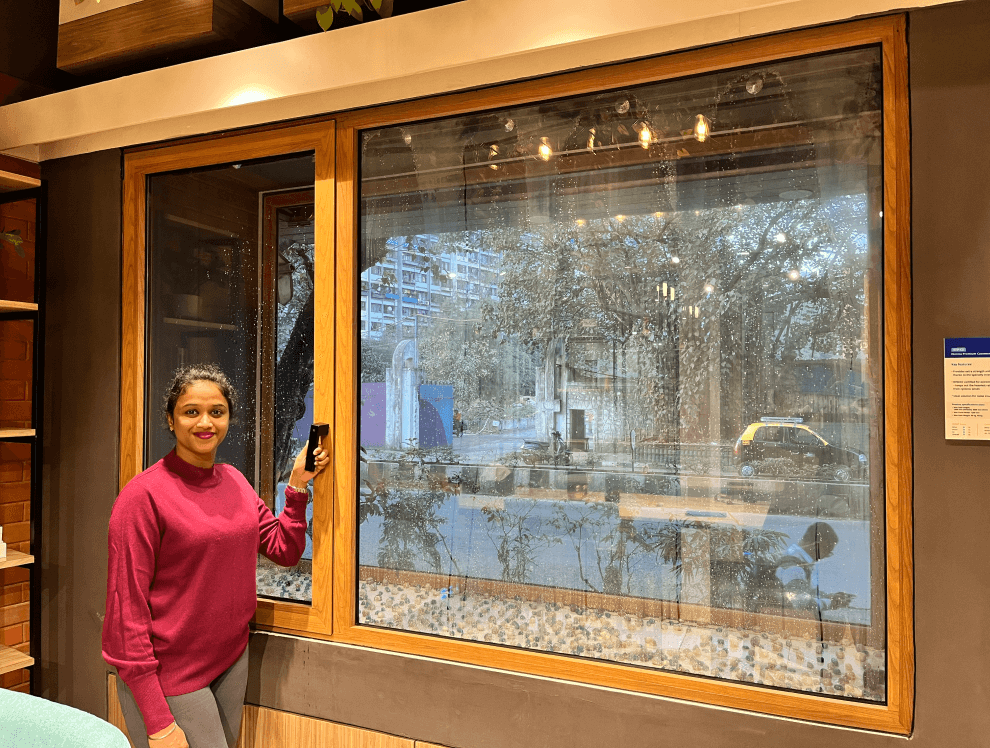
The debate around UPVC vs aluminium windows often centres on cost and insulation, but modern homeowners are increasingly prioritising durability, design flexibility, and long-term value. Eternia, engineered with Hindalco’s advanced Duranium alloy that is 40 per cent stronger than standard aluminium, represents how aluminium window systems have evolved into high-performance solutions for Indian homes.
This guide compares aluminium and uPVC windows across key parameters to help you determine which performs better for your needs.
Understanding the Differences Between Aluminium and uPVC Windows

Aluminium Windows
Aluminium windows are built using extruded metal profiles that form strong, slim frames capable of supporting large glass panels. Modern aluminium window designs focus on minimalism, durability, and structural strength.
uPVC Windows
uPVC, or unplasticised polyvinyl chloride, is a plastic-based material commonly used in window frames. It is known for its insulation properties and relatively lower upfront cost.
While both materials serve the same purpose, their performance differs in several respects.
How Does Structural Strength and Durability Compare?
One of the most significant differences between aluminium and uPVC is structural strength.
Aluminium Windows
Aluminium offers a high strength-to-weight ratio. A well-engineered aluminium profile can support large window sizes, withstand wind pressure, and maintain shape over time.
Eternia’s Duranium-based aluminium frames provide:
- Higher load-bearing capacity
- Resistance to bending and warping
- Stability in extreme weather conditions
uPVC Windows
uPVC is less rigid compared to aluminium and often requires internal steel reinforcement for added strength. Over time, exposure to heat and sunlight can affect its structural stability.
In terms of durability, aluminium clearly performs better, especially in large openings and high-rise applications.
What are the Design Flexibility and Aesthetics of Both?
Modern homes demand clean lines, large glass areas, and minimal visual obstruction.
Aluminium Windows
Aluminium allows slim frames, making it ideal for:
- Large windows
- Floor-to-ceiling designs
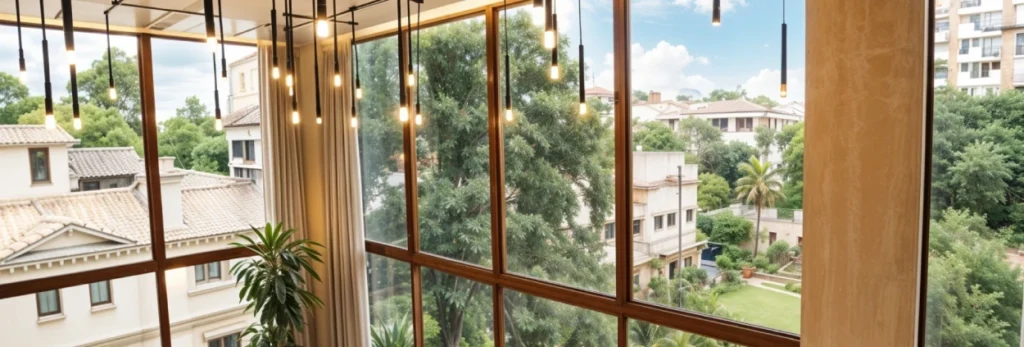
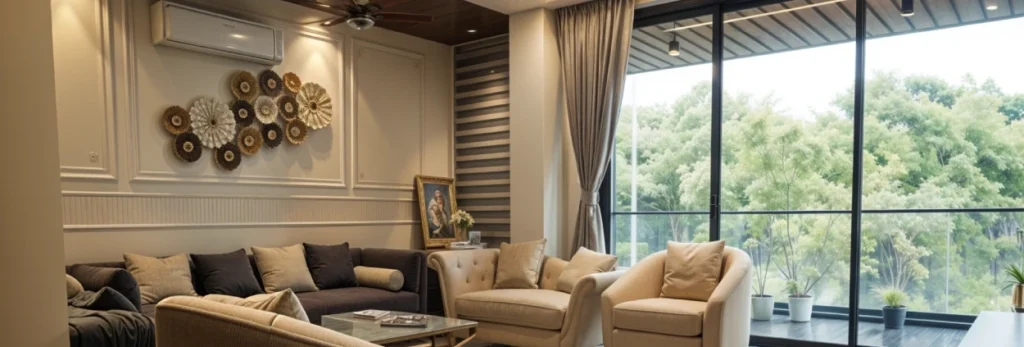
- Modern aluminium window design for home layouts
- Custom configurations
Aluminium window frames can be designed in various styles, including sliding, casement, fixed, and combination windows.
uPVC Windows
uPVC frames are thicker and bulkier due to lower strength. This reduces the glass area and limits design flexibility.
For homeowners looking for contemporary aesthetics, aluminium offers superior visual appeal.
How Do Weather Resistance and Performance Differ Between the Two?

Windows must withstand wind, rain, dust, and temperature changes.
Aluminium Windows
Precision-engineered aluminium systems offer excellent weather resistance. Eternia windows are tested under the WiWA certification for:
- Wind resistance up to 2.75 kPa
- Water tightness up to 750 Pa
- Air sealing up to 600 Pa
These features make aluminium suitable for diverse Indian climates.
uPVC Windows
uPVC performs reasonably well in moderate conditions but may expand or contract with temperature fluctuations. Over time, this can affect sealing and alignment.Aluminium provides more consistent performance across varying environmental conditions.
How Do Maintenance and Longevity Compare For Both?
Maintenance plays a crucial role in long-term usability.
Aluminium Windows
- Resistant to corrosion and moisture
- Do not warp or swell
- Easy to clean
- Retain finish over time
uPVC Windows
- May discolour over time
- Can become brittle with prolonged sun exposure
- Requires periodic checks for reinforcement stability
Aluminium windows generally have a longer lifespan and lower maintenance requirements.
Comparing Energy Efficiency and Insulation
uPVC is often preferred for its insulation properties, but modern aluminium systems have addressed this gap.
uPVC Windows
uPVC offers natural thermal insulation due to its material composition.
Aluminium Windows

With the use of double-glazed or laminated glass, aluminium windows can achieve excellent thermal and acoustic performance. Advanced sealing systems also reduce heat transfer and air leakage.
In real-world applications, glass selection plays a more significant role than frame material in insulation performance.
How Do Both Compare For Noise Reduction and Comfort?

Urban homes often require noise control.
Aluminium Windows
When combined with acoustic laminated glass, aluminium windows can significantly reduce noise levels. Precision-engineered frames ensure tight sealing, minimising sound leakage.
uPVC Windows
uPVC also provides sound insulation, but performance depends on frame quality and sealing.Both materials can perform well at reducing noise, but aluminium offers better consistency in large window formats.
How Does Sustainability and Environmental Impact Compare?
Sustainability is becoming an important factor in material selection.
Aluminium Windows
- Fully recyclable
- Long lifespan reduces replacement cycles
- Lower environmental impact over time
uPVC Windows
- Not easily recyclable
- Derived from plastic-based materials
- Environmental concerns related to disposal
Aluminium is the more sustainable choice in the long run.
Comparing the Cost vs Value Perspective
Initial cost often influences decision-making.
uPVC Windows
Lower upfront cost, making it attractive for budget projects.
Aluminium Windows
Higher initial investment but better long-term value due to durability, performance, and minimal maintenance.
For homeowners planning long-term use, aluminium offers a more cost-effective solution.
Where Aluminium Windows Work Best?
House aluminium windows are ideal for:
- Large living room openings
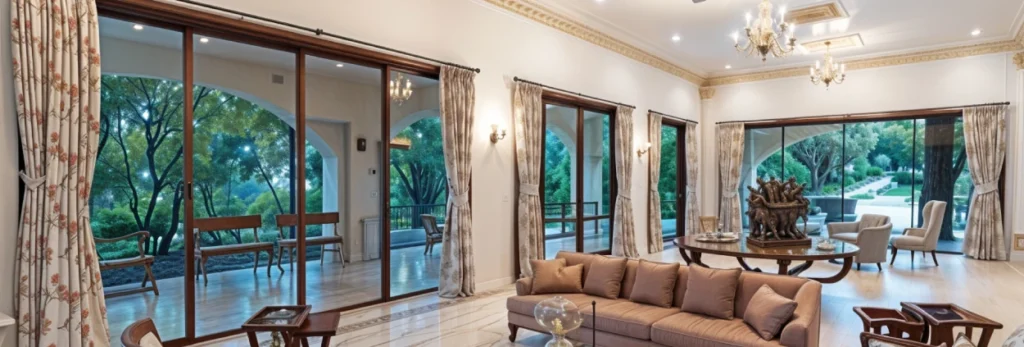
- Balcony and patio connections
- High-rise apartments
- Modern villas
- Commercial spaces
Their strength and design flexibility make them suitable for a wide range of applications.
Aluminium Section Windows and Advanced Engineering
An aluminium section window uses engineered profiles that provide structural strength and modular flexibility. These systems allow:
- Custom window configurations
- Stronger frame alignment
- Better glass integration
- Enhanced performance under stress
This level of engineering is not easily achievable with uPVC systems.
Why Do Eternia Aluminium Windows Stand Out?
Eternia windows are engineered using Hindalco’s Duranium alloy and designed for Indian conditions. Their systems combine:
- High-strength aluminium profiles
- Slim and elegant designs
- Advanced glass compatibility
- WiWA tested performance
- Premium finishes
These features make Eternia windows a reliable and future-ready choice for modern homes.
Conclusion
The comparison between aluminium and uPVC windows ultimately comes down to performance, durability, and long-term value. While uPVC may offer initial cost advantages and basic insulation, aluminium outperforms it in strength, design flexibility, weather resistance, and lifespan.
For homeowners seeking modern aesthetics, reliable performance, and sustainable materials, aluminium is the superior choice. With advanced aluminium window designs, robust aluminium window frames, and engineered systems such as Eternia, aluminium windows deliver both functionality and visual appeal.
When evaluating UPVC vs aluminium windows, the answer becomes clear. Aluminium not only meets the demands of contemporary living but also ensures long-lasting comfort and performance, making it a better investment for modern Indian homes.
Contact us to explore customised aluminium window designs for your home today!




Frequently Asked Questions
When comparing UPVC vs aluminium windows, aluminium performs better in terms of strength, durability, and design flexibility. It supports larger openings, lasts longer, and offers superior performance in varied weather conditions.
Yes, aluminium is highly suitable for Indian conditions. It resists heat, humidity, and corrosion, making it ideal for both coastal and urban environments. High-quality systems like Eternia also offer strong sealing and weather resistance.
Modern aluminium windows paired with double glazed or laminated glass provide excellent thermal and acoustic insulation. Glass selection plays a major role in insulation performance.
Yes, aluminium window designs are preferred in modern homes because they allow slim frames, larger glass areas, and more customisation compared to bulkier uPVC frames.
Yes, when paired with double-glazed or laminated glass, aluminium glass windows can provide excellent thermal and acoustic insulation, comparable to or better than uPVC in real-world use.


Our consultants will give a closer Look!
WHATSAPP VIDEO CALL AT YOUR CONVENIENCE
Schedule a Video call or Request Real Images and Videos