

 +91 97699 40000
What Makes Aluminium Doors Perfect for Bathrooms Rather Than PVC Doors?
Choosing a bathroom door rarely feels like a big decision at first.
Most people focus on tiles, fittings, and maybe lighting. The door is often picked later, sometimes quickly. But once you start using the space every day, that choice begins to matter more than expected.
Bathrooms are not easy environments. There is constant moisture, steam from hot water, splashes, and humidity that lingers. Over time, all of this starts testing the material of your door.
And not every material handles it well.
If you are exploring types of bathroom doors, especially when comparing PVC and aluminium, it helps to look beyond surface-level convenience and consider long-term performance.
What a Bathroom Door Really Needs to Do?
Before getting into materials, it is worth asking a simple question.
What should a good waterproof bathroom door actually deliver?
At a minimum:
- It should handle moisture without damage
- It should not warp or lose shape
- It should open and close smoothly over time
- It should resist corrosion and decay
- It should be easy to clean
- It should match your home’s design
If even one of these starts failing, the door quickly becomes a problem rather than a feature.
Common Types of Bathroom Doors in Indian Homes
When people look for readymade doors for bathroom, they usually come across a few standard options.
Wooden doors are still used in some homes. They look premium, but moisture is not their strength. Over time, they tend to swell and require maintenance.
PVC doors are popular because they are lightweight and affordable. They are easy to install and widely available.
Glass doors bring a more contemporary feel, especially in shower areas, but they rely heavily on the supporting frame.
Then there are aluminium doors. They are becoming more common, especially in newer homes, because they strike a balance between durability and design.
PVC Doors: Where They Work, and Where They Don’t?
PVC doors are often marketed as a convenient and waterproof bathroom door solution.
And initially, they do the job.
But over time, especially in high-moisture environments, a few issues can start to show:
- Slight bending or loss of shape
- Surface wear and scratches
- Reduced rigidity with frequent use
In spaces that are used multiple times a day, this becomes more noticeable.
PVC can still work in low-usage areas or temporary setups. But in bathrooms that see regular use, its limitations start to appear sooner than expected.
How Aluminium Doors Are Built for Long-Term Use?
This is where aluminium changes the conversation.
Unlike PVC, aluminium does not absorb moisture. It does not swell. It does not warp.
Even with constant exposure to humidity, it stays stable.
That alone makes it a strong candidate for a waterproof bathroom door.
Add to that its strength.
Aluminium has a high strength-to-weight ratio. Which means it remains sturdy without becoming bulky. It handles daily usage without losing alignment or structure.
Systems built with advanced alloys, such as Duranium, take this further by enhancing durability and long-term performance.
Everyday Wear: The Real Test
You do not notice material quality on day one.
You notice it over time.
PVC doors tend to show:
- Fading
- Surface marks
- Slight flexibility or softness
Aluminium doors age differently.
They retain their finish. Their structure remains intact. They continue to function smoothly.
That consistency matters, especially in a space used every day.
Maintenance and Hygiene
Bathrooms need materials that are easy to manage.
PVC doors can start to look dull or stained over time. Cleaning helps, but not always completely.
Aluminium is simpler.
- Easy to wipe clean
- Does not support fungal growth easily
- Maintains hygiene in moisture-prone areas
- Requires minimal upkeep
For homeowners looking for bathroom doors waterproof and low-maintenance, aluminium is clearly more practical.
Design Has Evolved More Than Expected
There was a time when aluminium doors looked basic.
That is no longer true.
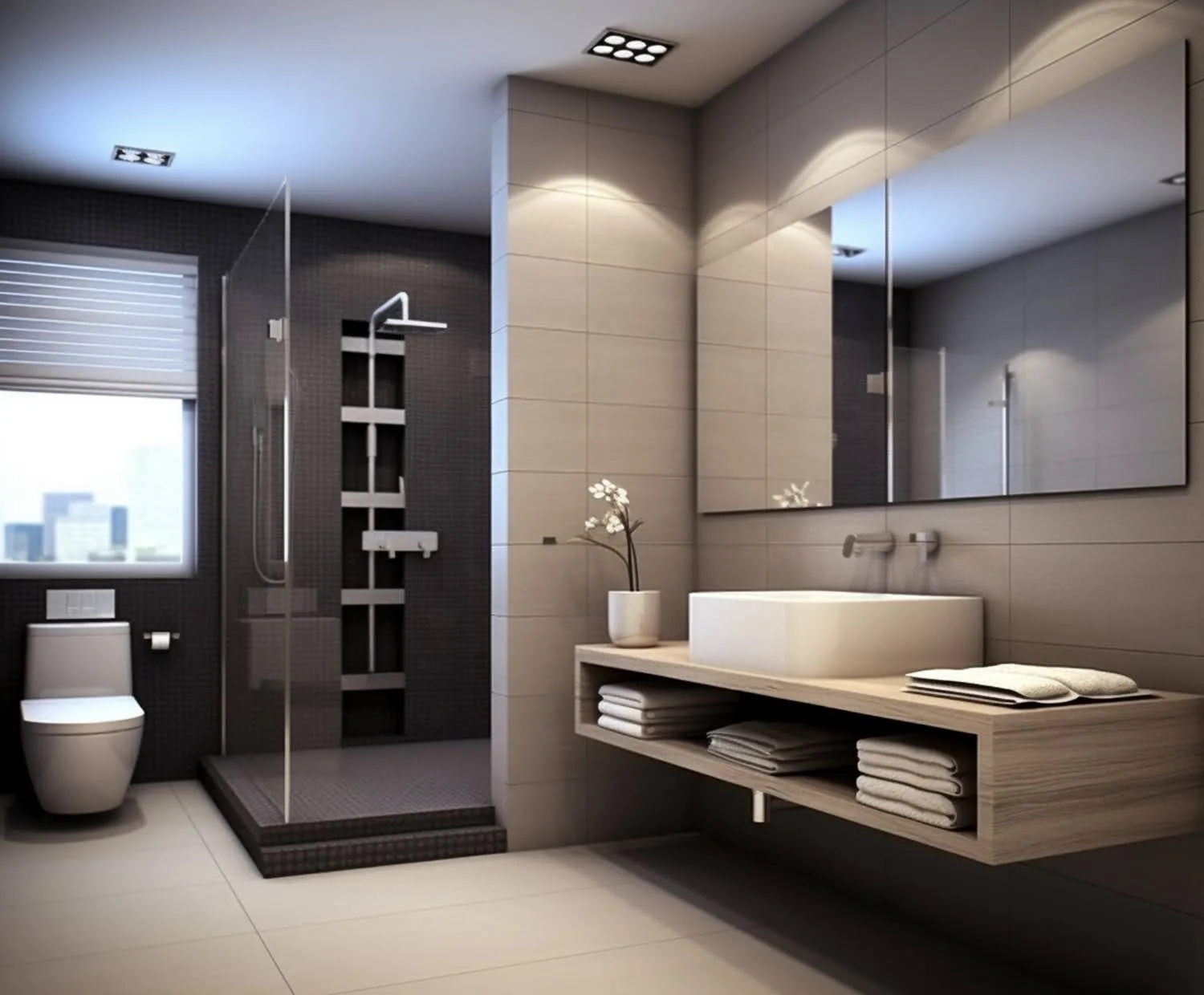
Modern aluminium bathroom door designs are sleek, minimal, and adaptable. You can pair them with frosted glass, tinted glass, or even textured finishes.
You also get more options for colours and finishes, from neutral tones to wood-like textures.
This allows the door to blend into your interior rather than stand out awkwardly.
Heat and Daily Use
Bathrooms deal with more than just moisture. There is heat, too.
Hot water, steam, and temperature changes throughout the day.
PVC can react to this over time, expanding slightly, losing alignment, or becoming less rigid.
Aluminium stays stable.
That consistency keeps the door functioning properly, even with regular exposure to heat and humidity.
What is The Cost vs Long-Term Value?
PVC doors are cheaper upfront.
That is often the main reason people choose them.
But over time, they may need to be replaced sooner due to wear or structural issues.
Aluminium doors cost more initially, but they last longer.
Which means fewer replacements, fewer repairs, and better long-term value.
It is less about saving money today and more about avoiding repeated costs later.
Where PVC Still Fits In?
PVC does have its place.
For example, in certain interior applications, such as a PVC main door in low-usage or temporary setups, it can work.
But in bathrooms, where moisture exposure is constant, aluminium performs more reliably.
Aluminium in Modern Home Design
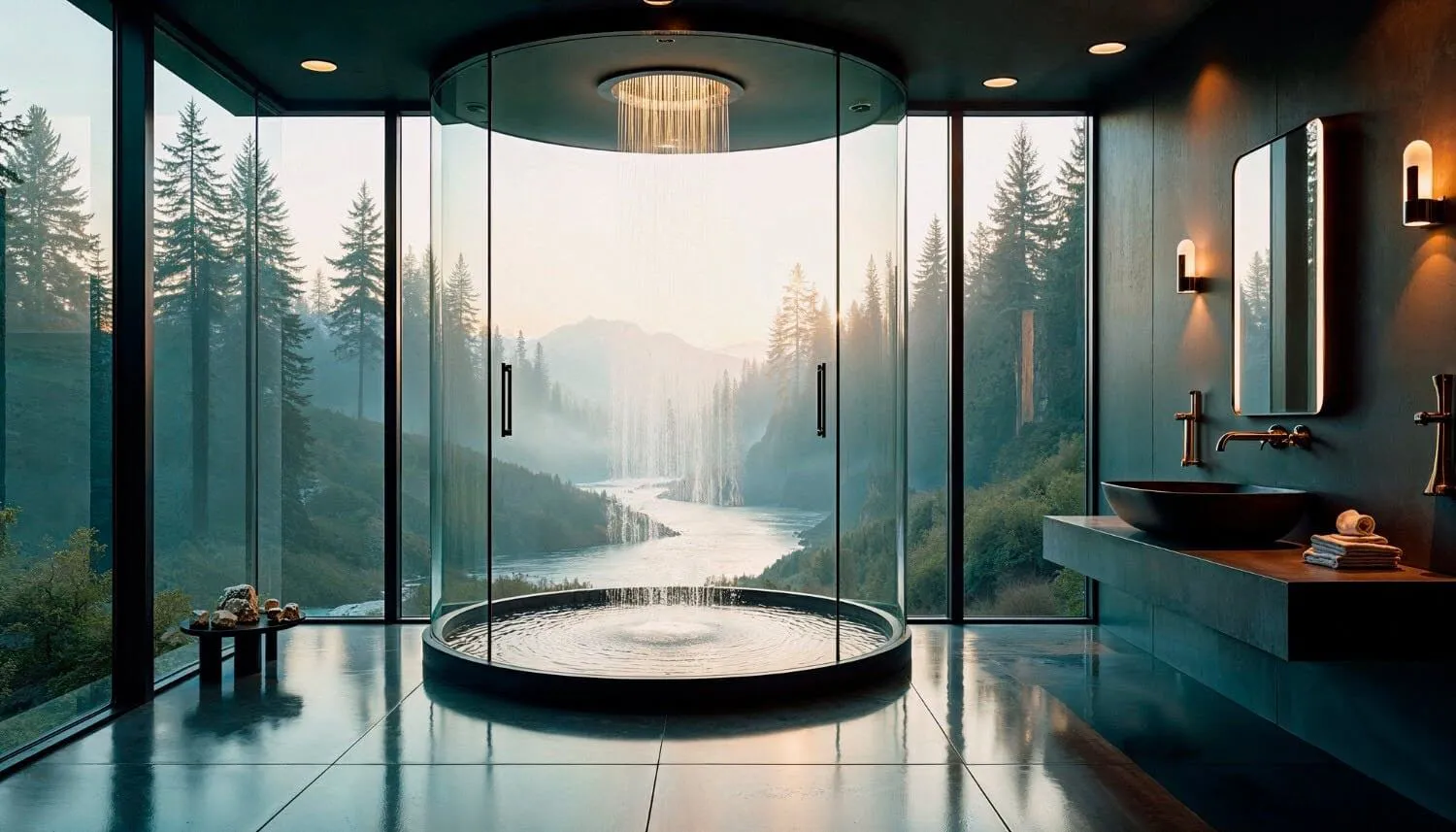
Bathrooms today are not just functional spaces.
They are designed spaces.
Clean lines. Minimal elements. Better materials.
Doors need to match that shift.
Aluminium fits naturally into modern interiors. Whether it is a compact apartment or a larger home, it supports both performance and aesthetics.
It also complements the overall house door design language when consistency across spaces is important.
Conclusion
Bathroom doors are easy to overlook.
Until they start causing problems.
Moisture, heat, and daily use put constant pressure on materials. And not all materials respond the same way.
PVC works, but often for a shorter duration.
Aluminium works longer.
It stays stable. It needs low maintenance. It aligns better with modern bathroom door design expectations.
If you are looking for a bathroom doors waterproof solution that holds up over time, aluminium is the more reliable choice.
It is not just about installation. It is about how the door performs, day after day, year after year.
Explore the different aluminium bathroom door designs from Eternia Windows today. Book a free consultation !!



Frequently Asked Questions
Aluminium doors perform better in bathrooms because they resist moisture, do not warp, remain structurally stable, and require less maintenance over time. Compared to PVC, they offer better long-term durability in humid environments.
Yes, aluminium doors are widely considered a reliable option for bathroom doors waterproof performance because aluminium does not absorb moisture, swell, or deteriorate easily in wet conditions.
Yes, an aluminium door is a strong, waterproof bathroom door solution because it handles steam, splashes, and humidity without losing shape or function.
Yes, aluminium, as a coated metal, is more stable under regular heat and steam exposure, while PVC may react over time with slight expansion or reduced rigidity.
If long-term durability, lower maintenance, and fewer replacements are a concern, aluminium doors often offer better value for most homeowners and renters, despite a higher upfront cost.


Our consultants will give a closer Look!
WHATSAPP VIDEO CALL AT YOUR CONVENIENCE
Schedule a Video call or Request Real Images and Videos