

 +91 97699 40000
Best Window Design for Ventilation: Maximise Airflow and Comfort
When choosing a home to rent or buy, what are some things you consider? How often do you look to check the ventilation? A well ventilated home feels cooler, fresher, and healthier, especially in Indian climates where heat, humidity, and pollution can significantly affect indoor comfort. While mechanical ventilation systems exist, natural airflow remains the most efficient and sustainable way to maintain indoor air quality.
At the heart of natural airflow lies the design and placement of windows. The right ventilation window style can dramatically improve how air moves through your home, reducing heat buildup and enhancing overall comfort. Modern aluminium window systems, such as those offered by Eternia and engineered with Hindalco’s Duranium alloy, combine smart design with structural strength to create effective ventilation solutions suited for Indian homes.
This guide explores how different window styles contribute to better airflow and how thoughtful window ventilation design can transform everyday living.
Why Ventilation Is Important in Home Design?
Good ventilation is not only about fresh air.
It does a lot more quietly in the background.
It pushes out stale air. It reduces moisture. It helps control indoor temperature. It gets rid of cooking smells, humidity, and even indoor pollutants that build up over time.
You notice it most when it is missing.
A well-ventilated home, on the other hand, feels lighter. Cooler. Easier to live in.
And often, it reduces your dependence on artificial cooling.
How Window Design Influences Airflow?
Air does not move randomly inside a house.
It needs entry points and exit points. That is what windows do.
But it is not just about having windows. It is about how they are designed.
A few things make a difference:
- How big is the window
- How much of it actually opens
- Where it is placed
- The direction the wind usually flows from
- The type of opening mechanism
A poorly placed window might bring in light, but not airflow.
A well-planned one changes the entire feel of a room.
Types of Ventilation Windows and Their Benefits
Different window styles serve different ventilation needs. Understanding the types of ventilation windows helps homeowners choose the right combination for each room.
Not all windows behave the same way. Each type interacts with air differently.
-
Casement Windows
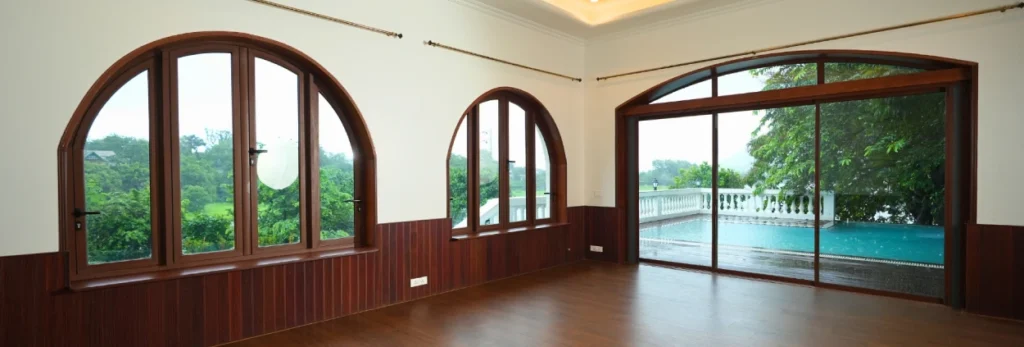
These open outward, fully.
Which means they let in a lot of air.
They are especially useful if you want strong airflow or proper cross ventilation. Living rooms and bedrooms benefit the most from these.
-
Sliding Windows
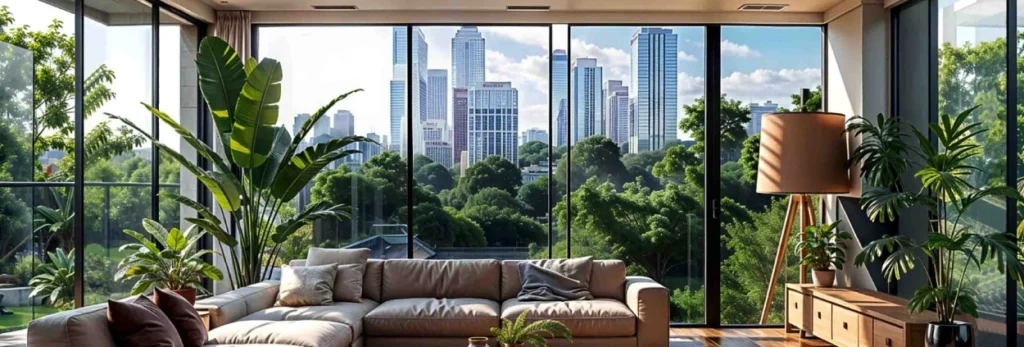
Sliding windows are more controlled.
They do not open fully, only partially. But they are practical.
If space is tight, or if you are working with apartments, they fit well. You get airflow, just not as aggressively as with casement windows.
-
Awning Windows
These are hinged at the top and open outward.
A small detail, but useful.
They allow ventilation even during light rain. This makes them a good choice for kitchens or bathrooms.
-
Fixed Glass with Small Ventilators
Sometimes you want light, but not a fully open window.
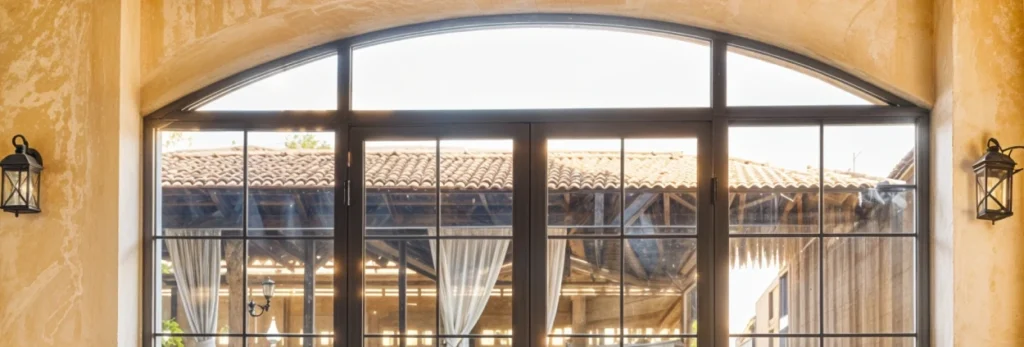
This is where fixed glass panels combined with small ventilators work well.
You get brightness. You get some airflow. And you maintain privacy.
-
Louvered Windows
These are more functional than aesthetic.
They allow continuous airflow through slats while limiting visibility.
They are often used in utility areas or bathrooms.
-
High-Level Windows
Placed higher on walls, these are subtle but effective.
Hot air rises. These windows help it escape.
They also improve airflow without affecting privacy or wall space.
Role of Aluminium in Ventilation Windows
Material selection plays a crucial role in how well ventilation windows perform. Aluminium has become the preferred choice for modern homes.
Benefits of aluminium windows include:
- High strength with slim profiles
- Ability to support larger openings
- Resistance to moisture and corrosion
- Long lifespan with minimal maintenance
- Compatibility with advanced glass options
An aluminum ventilation window offers durability and precision, ensuring smooth operation and reliable airflow.
Eternia’s Duranium based aluminium frames enhance these benefits with superior strength and stability, allowing larger and more efficient ventilation designs.
Importance of Glass in Ventilation Design
While frames determine structure, glass influences comfort and performance.
Types of glass used in ventilation windows:
- Clear glass for maximum light
- Tinted glass to reduce heat and glare
- Frosted glass for privacy
- Laminated glass for safety
- Acoustic laminated glass for noise reduction
A well-designed glass ventilation system balances airflow with comfort and privacy.
Room-Wise Ventilation Strategies
-
Living Rooms
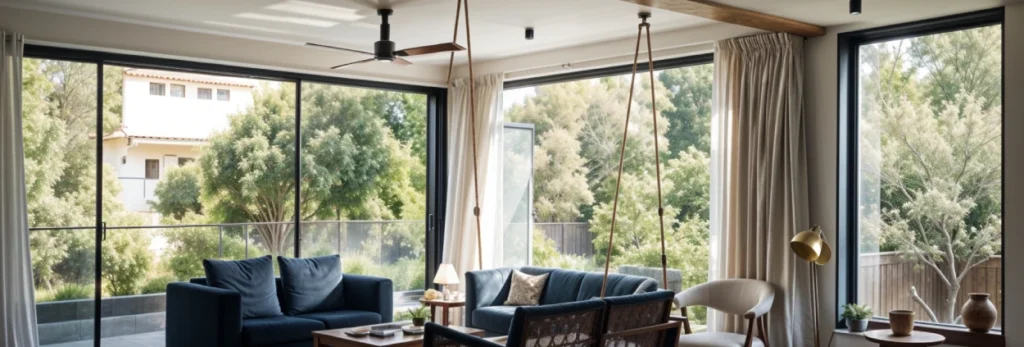
Use large casement or sliding windows to allow strong airflow and natural light.
-
Bedrooms
Combine casement windows with high-level ventilators for balanced airflow and comfort.
-
Kitchens
Install awning windows or ventilators to quickly remove heat and cooking fumes.
-
Bathrooms
Use compact aluminium ventilators or frosted glass ventilation windows for privacy and airflow.
-
Utility Areas
Sliding or louvred windows provide continuous ventilation in smaller spaces.
Performance and Weather Resistance
Ventilation windows must also withstand outdoor conditions. Eternia aluminium windows are tested under the WiWA certification system for:
- Wind resistance up to 2.75 kPa
- Water tightness up to 750 Pa
- Air sealing up to 600 Pa
This ensures that ventilation does not compromise indoor comfort or protection.
Why Is Eternia a Reliable Choice for Ventilation Windows?
Eternia window systems are engineered using Hindalco’s Duranium alloy and designed specifically for Indian conditions. Their aluminium windows combine strength, precision, and design flexibility, making them ideal for effective ventilation solutions. With premium finishes, advanced glass options, and WiWA-tested performance, Eternia offers window systems that enhance both airflow and comfort.
Conclusion
While window styles play a crucial role in shaping how air enters the home, depending on the home’s design, aesthetics, and the owner’s choice window styles play a crucial role in shaping how air moves through your home. From casement and sliding windows to awning and ventilator designs, each type contributes differently to airflow and comfort. A well planned ventilation windows design ensures that your home remains cool, fresh, and energy efficient.
By choosing the right combination of window types and materials like aluminium, homeowners can create spaces that balance ventilation, durability, and aesthetics. Eternia’s advanced aluminium window systems provide the perfect foundation for modern ventilation design for home, helping you breathe easier every day.
Enhance your home with the perfect aluminum ventilation window for your home today!



Frequently Asked Questions
A ventilation window is simply a window designed to let fresh air in and push stale air out. Sounds basic, but it makes a noticeable difference in how a home feels. Good ventilation keeps the air cleaner, reduces humidity, and helps maintain a more comfortable indoor temperature. Without it, spaces can feel stuffy, damp, and even unhealthy over time.
There isn’t a single “best” design that works for every home. It depends on your layout, room size, and how air flows through your space. That said, casement windows are often preferred because they open fully and allow strong airflow. In many homes, a mix works better, combining casement windows with sliding or fixed panels to balance airflow, light, and practicality.
It comes down to how air moves. For proper airflow, you need entry and exit points. Window design helps create that movement. Placement matters just as much as type; windows on opposite or adjacent walls allow air to flow through naturally, creating what is called cross ventilation. The size of the opening and how the window operates also affect how smoothly air circulates inside the house.
Common types of ventilation windows include casement, sliding, awning, and louvred windows, as well as high-level ventilators. Each type offers different levels of airflow and suits different areas of the home, providing benefits such as insect-proof rooms, noise-proof environments, and more.
Casement windows are the best for maximum ventilation because they open completely and can direct airflow into the room. They are ideal for living rooms and bedrooms


Our consultants will give a closer Look!
WHATSAPP VIDEO CALL AT YOUR CONVENIENCE
Schedule a Video call or Request Real Images and Videos