+91 97699 40000
Terrace and Rooftop Window Design Ideas for Urban Homes
 October 15, 2026
Ask anyone living in a top-floor flat or a house with a terrace what they love most about it, and the answer is almost always the same. It’s the sky. In a city where most windows look straight into the next building, a terrace gives you sunsets, the occasional breeze, and a sense of space you just don’t get further down.
Then ask what drives them up the wall, and you’ll get a different list. The roof slab that’s still radiating heat at nine at night. Old windows that rattle every time the wind gets up. And the monsoon, which has a habit of sneaking in right by the terrace door no matter how many times somebody’s tried to fix it. Most of that, in my experience, comes back to the windows and doors.
What Makes a Rooftop Room So Hard on Windows?
Because they deal with more of everything. A room on the roof sits right under the sun, with the slab above it soaking up heat all day, and it’s exposed on more sides than a room in the middle of a building. At height the wind is stronger too, and when the monsoon comes in sideways, the terrace door is usually the first place it tests.
So while the dream is to open the room right up, the windows you choose have to work a lot harder than the ones downstairs. That doesn’t mean making them smaller, it means making them better.
Wide Sliding Doors That Open the Room to the Terrace
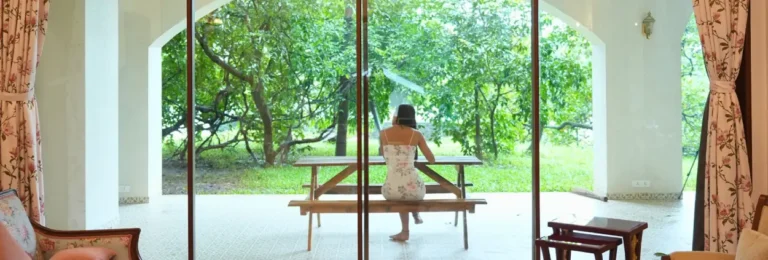
I’d start with the door. Most rooftop rooms come with a narrow little door you have to turn sideways to get through with a tray, and the terrace ends up feeling like somewhere you visit rather than part of the room. Put in wide aluminium sliding doors instead and on a nice evening you just slide the whole thing back, and suddenly you’re sitting half inside and half out, chai in hand, without anyone having to squeeze past anybody.
Because they slide rather than swing, they don’t take up space inside the room or get caught by a gust of wind and slam, which happens a lot more at height than people expect. Go for slim frames so the glass does most of the work, and a flush bottom track if you can, so there’s no step to trip over on the way out.
Big Fixed Panes to Frame the Skyline
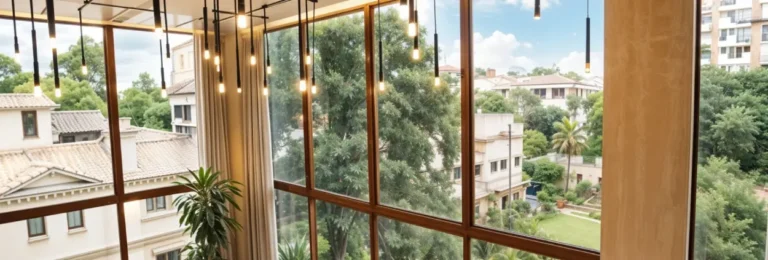
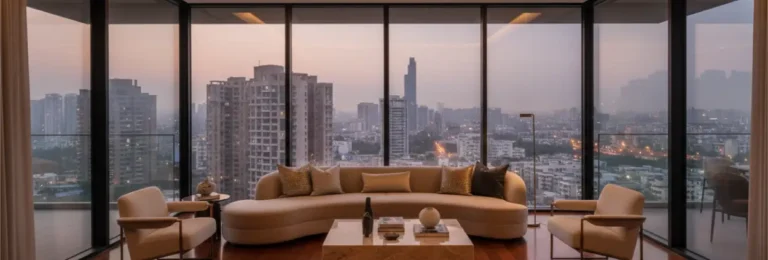
Some views are worth having all the time, not just when the door’s open. A large aluminium fixed window on the wall facing the skyline, or the sunset side of the terrace, turns the view into the main feature of the room.
There’s nothing on a fixed window that needs to move, no hinges, no rollers, so the aluminium framed windows can be really thin and nearly the whole thing ends up being glass. What I’ve seen work nicely is one big fixed pane right in the middle of the view, with a sliding bit beside it you can open when there’s a breeze. You get the skyline and the air without having to choose.
Glass That Keeps the Heat Down
This is the part that decides whether you’ll actually use the room in May. A rooftop room facing west or south can turn into an oven by mid-afternoon if the glass is just plain and clear.
If your room faces west, I’d seriously look at double glazing. That little air gap between the two sheets of glass does a surprising amount to stop the afternoon heat getting through, and if you add a light tint on that side, it takes the edge off the glare as well, without the room ending up gloomy. The north side you can mostly leave alone with clear glass, since the light there’s softer anyway. Choosing the glass side by side, rather than putting the same pane everywhere, is what makes aluminium glass windows on a rooftop actually comfortable to live with.
Windows That Stand Up to Wind at Height
Up on the roof, there’s usually nothing around to break the wind, so it hits your windows a lot harder than it ever would a few floors down. Those old sliders that seemed perfectly fine on the ground floor start rattling and leaking once they’re up here.
So when you’re shopping, ask for tested wind and water figures on the aluminium sliding windows and doors you’re looking at, not just a salesperson’s word that they’re “strong”. Eternia’s systems are WiWA certified, and its Duraslim sliders are rated for wind resistance up to 3 kPa and water tightness up to 600 Pa, which is the sort of performance you want on an exposed terrace. The frames are built on Duranium, a special aluminium alloy Hindalco developed that’s 40% stronger than regular aluminium, so they hold their shape when the wind picks up rather than flexing and letting the rain in.
Privacy When the Neighbours Are Taller
In most cities there’s always a building a few floors higher than yours. On a terrace that means someone can often see straight down into your rooftop room, which isn’t ideal if it’s a bedroom or a study.
You don’t have to give up the light to sort that out. Frosted glass on the bottom half of a window keeps the room bright but blurs the view in, and a strip of glass up near the ceiling lets in plenty of sky without lining up with anyone’s window opposite. A row of tall planters along the edge of the terrace helps a lot too, and it looks far nicer than keeping the blinds down all day.
Mesh for Evenings on the Terrace
I don’t think I’ve ever sat out on a terrace past sunset without getting bitten. If that’s your evening routine too, it’s worth getting sliding doors and windows with the mesh built right into them. You can leave everything open while you sit outside, the mosquitoes stay out of the room, and when you don’t need it, the mesh just slides away out of sight.
Keeping the Design Consistent
A lot of people end up treating the rooftop room like its own little project, and then the windows up there look nothing like the ones in the rest of the house. If you stick with the same frame colour and profile throughout, it all hangs together much better. I’m a big fan of modern house windows in a dark graphite or black against an open sky, they look really sharp up there, though if your terrace is full of plants, a wood-grain finish can feel warmer.
If you’re after the latest window designs for a rooftop, slim frames, big glass, and a single finish carried right through the home tend to look the most current, and they’ll still look good in ten years.
A Rooftop Room in Delhi
A couple we heard about in South Delhi had a small room on their terrace that they barely used. It had one narrow door and a couple of tiny windows, and by two in the afternoon it was too hot to sit in. In the monsoon, water used to come in under the door and pool on the floor.
When they redid it, they put in a wide three-panel sliding door onto the terrace, a big fixed pane facing the sunset, and double-glazed glass with a light tint on the west side, all in a graphite finish to match the rest of the house. The room is now where they spend most evenings, and it’s the first place guests want to see.
Conclusion
A rooftop or terrace room can easily be the best room in an urban home. It just needs windows and doors that let the sky in while keeping the heat, wind, and rain where they belong.
If you’re planning a terrace room or rooftop renovation, take a look at Eternia’s aluminium sliding doors, sliding windows, and fixed windows, which are built to handle sun and wind at height and keep the view front and centre. Book your free consultation
Frequently Asked Questions
For most terrace rooms I’d go with a wide sliding door out onto the terrace, a big fixed pane wherever the view’s best, and a couple of sliders or casements elsewhere so you can get air through. Whatever you pick, make sure it’s been tested for wind and rain, because rooftops get a lot more weather than the floors below.
The glass is where I’d start. Double glazing on the west and south sides makes a real difference to the afternoon heat, and a light tint helps with the glare. You don’t need it everywhere, the north side can usually stay clear, so think about which walls actually cook in the afternoon.
Good ones are, as long as they’ve been tested for wind and water. They’ve also got one thing going for them that hinged doors don’t, which is that a sudden gust can’t catch them and fling them shut, and that happens a lot on rooftops.
Frosted glass on the lower half of the windows is the easiest fix, since you keep all the light but people can’t see in clearly. A high window near the ceiling helps too, and so do tall plants along the terrace edge. Between those, you shouldn’t need to keep the curtains drawn.
Right now it’s mostly slim frames, big sheets of glass, and sliding doors that open the whole wall onto the terrace, often in a dark graphite or black. Personally, I’d just make sure whatever you choose matches the rest of the house, so the rooftop room doesn’t feel like it was bolted on later.


Our consultants will give a closer Look!
WHATSAPP VIDEO CALL AT YOUR CONVENIENCE
Schedule a Video call or Request Real Images and Videos