+91 97699 40000

The Impact of Aluminium Window Design on Indoor Air Quality: A Comprehensive Guide
 October 19, 2026
Here’s something I didn’t really believe until I’d lived in a closed-up city flat through a whole winter. By about ten at night, with everyone home, the pressure cooker done, a couple of agarbattis lit, and every window shut against the cold and the smog, the air in the place just feels thick. I only ever clocked it when I went out to bring the clothes in off the balcony. One breath outside, then back through the door, and it was like walking into a room someone had been sleeping in all afternoon.
I’d spent a fair bit that year on a purifier, as it happens. It sat humming in the corner the whole time. What actually fixed the stuffiness, in the end, was changing the windows.
Why Can Indoor Air Be Worse Than Outdoor Air?
Think about a normal Tuesday evening. Someone’s frying pakoras and the kitchen goes a little hazy. Someone else is wiping the counters down with a spray that smells of fake lemons. There’s a mosquito coil going in the bedroom because the nets have a hole in them, and the bathroom mirror is still fogged up from the last shower.
All of that stays in the house if it’s got nowhere to go. The kitchen haze settles. The steam soaks into the bathroom wall and, a few weeks later, there’s a grey speckle up in the corner by the ceiling.
Then there’s just people. Four of you in a shut bedroom on a hot night, the AC on, the door closed, and by morning the room’s had nothing new in it since you switched the light off. That slightly foggy, headachy feeling some mornings? Quite often it’s nothing more mysterious than that.
How Does Window Design Affect the Air You Breathe?
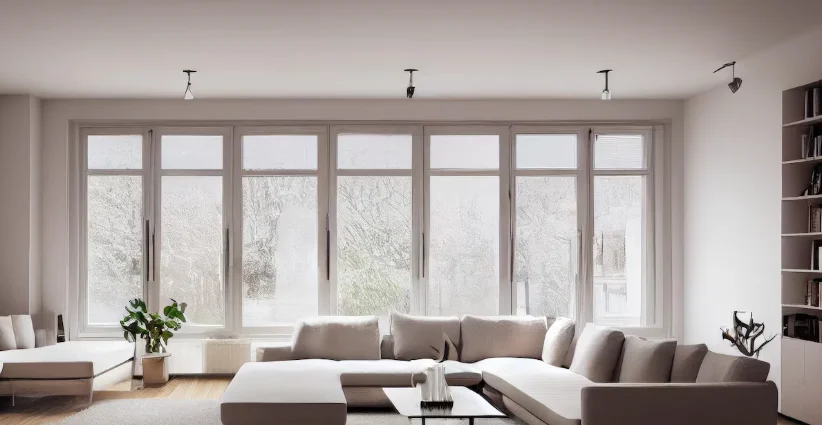
I used to think a window was a window, as long as it opened. It isn’t really. Our old flat had a lovely big window in the living room that, for some reason, only slid open about a hand’s width before it jammed, so for all its size it barely let anything through.
A big window that only opens a crack doesn’t do much. A small one placed badly, in a corner where air just swirls and goes nowhere, doesn’t do much either. What you want is something you can actually open wide, sitting somewhere the air can come in, cross the room, and leave again.
Why Does Cross Ventilation Make Such a Difference?
Try it tonight if you’ve never noticed it. Open one window in a room and you get a bit of movement near it, but the rest of the room barely changes. Open a window on the opposite wall, or even an adjacent one, and you’ve given the air a route through, so a proper breeze runs across the room and carries the stale stuff out with it.
If you’re building or renovating, it’s worth thinking about this on the drawings, room by room. Even in a flat where you’ve only got windows on one or two sides, pairing a window with a door that opens onto a balcony can create the same effect. It costs nothing extra to plan, and you’ll feel the difference every day.
Are Aluminium Casement Windows Good for Ventilation?
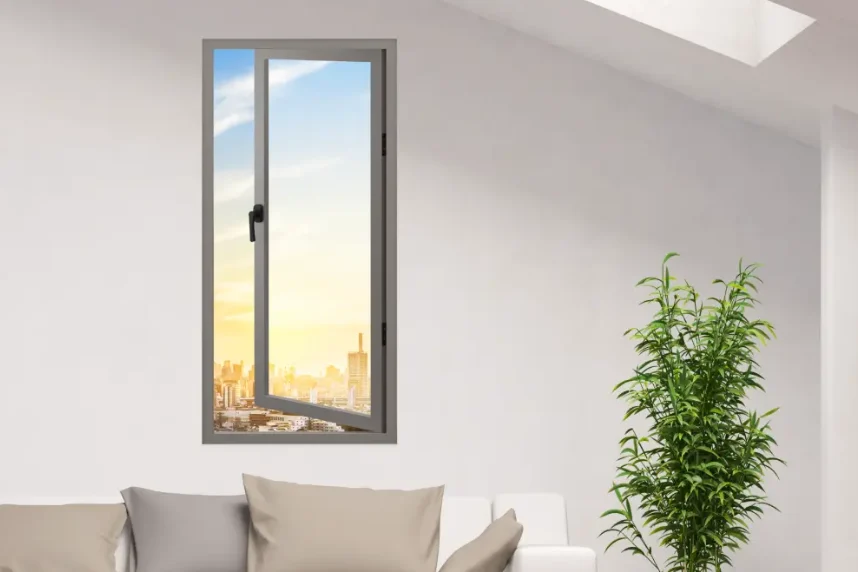
They’re my favourite for it. When an aluminium casement window swings outward, the open sash ends up working a bit like a sail, catching a breeze that’s sliding along the outside wall and turning it into the room. A slider can’t really do that, since all it does is open a gap.
You can also be quite fussy with a casement. Just a few inches on a cool night, wide open on a warm morning. And when you pull it shut, it presses tight into the frame all the way round, so the dust and rain stay out when you want them to. For a bedroom or a study, I’d lean towards a casement every time.
What About Sliding and Other Openable Windows?
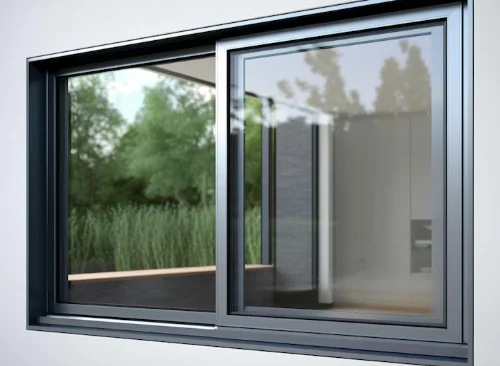
They’ve all got a room they’re good in. Aluminium openable windows come in a few shapes, and the trick is matching them up. In our living room, a wide slider made the most sense, because nothing swings into the space and you can open up a big stretch of wall when people are over.
In the kitchen, a top-hung window is handy, since it opens outward from the top and you can leave it propped open even in light rain. Bathrooms and utility areas suit louvre-style windows, where the slats keep air moving all day and nobody outside can see in. Picking the right aluminium openable window for each room, rather than one type throughout, is what gets the whole house breathing.
How Should You Ventilate Through Balcony Openings?
In most flats, the balcony door is the biggest hole in the wall, and in a lot of homes it stays shut nearly all day. That’s a waste. Swap a narrow, sticky balcony door for wide sliding doors, or put proper ventilation windows on the balcony wall, ideally with mesh built in, and you can leave them open in the evening and actually feel the air move through the living room.
Usually the balcony’s on one side of the flat and the kitchen or bedrooms are on the other. Open both and you’ve got that cross-breeze straight through the middle. In a lot of apartments, ten minutes of that freshens the whole place up better than anything else.
Why Do Windows Need to Seal Well Too?
Because some days, honestly, you don’t want the outside in. Anyone in Delhi knows those weeks in November when the sky goes beige, and a lot of cities get a dusty stretch before the monsoon where the windowsill is gritty again by lunch.
On days like that, a window that leaks around its edges just lets the dust and smog drift in whether you like it or not. Well-made aluminium framed windows shut tight, so you get to decide when the air comes in. Eternia’s systems are WiWA certified for air sealing up to 600 Pa, which is a good sign that when they’re closed, they’re properly closed. The frames are made from Duranium, a special aluminium alloy Hindalco developed that’s 40% stronger than regular aluminium, so that seal holds up over the years instead of slowly working loose.
Can Mesh Help With Air Quality?
Mostly by getting you to open the windows in the first place. Loads of people keep everything shut in the evening purely because of mosquitoes, which is a shame, since that’s right when the flat’s at its stuffiest after dinner.
Mesh built into the window means you can leave it open without being eaten alive, and it catches a bit of the coarser dust and pollen as well. Eternia’s sliding windows come with a collapsible integrated mesh that pulls across when you want it and folds out of the way when you don’t.
How Does Natural Light Fit Into This?
Natural light windows aren’t just about brightness, although that alone makes a home feel better. That grey speckle in the bathroom corner I mentioned earlier? It turned up in the one spot that never got a single ray of sun. The bathroom in our next place had a decent window, got light every morning, and stayed dry, and we never saw mould in it once.
Slim frames help here, since less frame means more glass and more light getting in. That’s one of the reasons aluminium window systems with narrow profiles are such a good fit for homes where you want both brightness and good air.
Conclusion
Good indoor air doesn’t usually come from a gadget. It comes from letting the house breathe when the air outside is good, and shutting it properly when it isn’t. The right windows, in the right places, are what make both of those easy.
When you get to the point of choosing windows yourself, Eternia’s aluminium casement and openable windows are worth a look. They’re the kind I’d have wanted in that winter flat, ones you can throw wide open in the evening and then shut tight when the smog rolls back in. Contact us now



Frequently Asked Questions
In my experience, casements, at least for bedrooms. The way the sash swings out means it grabs whatever breeze is going past the building and pushes it in, which a slider just doesn’t do. That said, our living room slider was brilliant for evenings with guests, and the top-hung one over the kitchen sink earned its keep every time someone made tadka.
Use whatever openings you’ve got on the other side, even if that’s the balcony door or the kitchen window, and open them at the same time. Even a small opening across the flat gives the air somewhere to go, and you’ll get a much better breeze than from one window on its own.
On really bad smog or dust days, it’s usually better to keep them closed and ventilate when the air outside clears up a bit, often later in the evening. Mind you, I learned the hard way that this falls apart if the windows don’t shut properly. Ours used to leave a fine grey line on the sill by morning even when they were “closed”.
Indirectly, yes. Light doesn’t clean the air, but it does keep rooms drier, and mould loves a damp corner that never sees the sun. In our old place it was always the darkest corner of the bathroom where it came back, never the bright one. A bit more glass in kitchens and bathrooms goes a long way.
Good ones are, because you need both halves of the job. On a nice evening you want to throw them open, and in the smoggy weeks you want them shut so tight the dust stays outside. Get mesh built in as well, otherwise, if you’re anything like us, you’ll end up keeping them closed just to avoid the mosquitoes.


Our consultants will give a closer Look!
WHATSAPP VIDEO CALL AT YOUR CONVENIENCE
Schedule a Video call or Request Real Images and Videos