

 +91 97699 40000
The Relationship Between the Placement of Aluminium Windows and Indoor Cooling
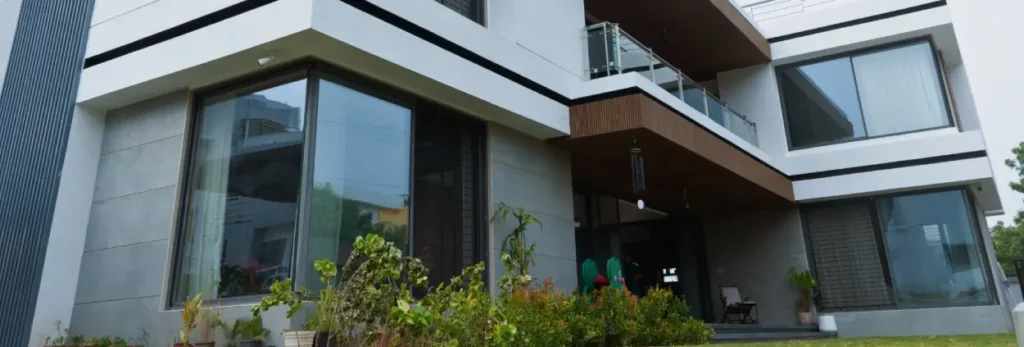
Indoor comfort during warmer months depends not only on materials and ventilation but also on how thoughtfully openings are positioned. The placement of aluminium windows for home settings plays a significant role in supporting natural airflow, reducing heat buildup, and maintaining a balanced indoor environment.
When strategically positioned, windows can enhance cross ventilation, regulate sunlight exposure, and contribute to more comfortable living spaces without relying entirely on mechanical cooling.
Understanding how window placement affects airflow and temperature helps homeowners make informed design decisions.
Why Window Placement Matters for Indoor Cooling?
The way windows are positioned influences how air and light move through a space.
- Properly placed windows encourage cross ventilation, allowing fresh air to enter and warm air to exit naturally.
- Strategic alignment with prevailing wind directions enhances airflow efficiency.
- Balanced placement reduces areas of stagnant air within rooms.
- Well-distributed openings help maintain consistent interior temperatures.
Thoughtful placement of aluminium windows ensures better indoor circulation and improved everyday comfort.
Cross Ventilation and Air Movement
Cross ventilation is one of the most effective natural cooling techniques in residential design.
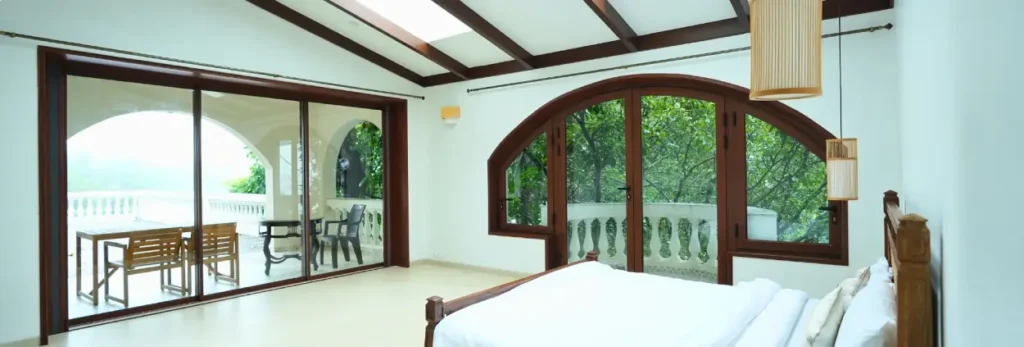
- Openings placed on opposite or adjacent walls allow air to flow freely through rooms.
- Continuous air movement helps reduce the buildup of trapped heat indoors.
- Sliding or openable configurations allow airflow to be adjusted based on weather conditions.
- Effective air sealing prevents unwanted dust infiltration while maintaining ventilation.
When well-designed, such configurations function as natural indoor cooling windows, supporting airflow without disrupting the home’s aesthetics.
Managing Sunlight to Reduce Heat Gain
Window placement also determines how much direct sunlight enters a room.
- Orienting windows thoughtfully can minimise excessive afternoon heat.
- Controlled daylight reduces overheating while maintaining brightness.
- Proper glass selection supports insulation and comfort.
- Balanced exposure improves indoor thermal stability.
Modern energy-efficient windows focus on optimising daylight without increasing indoor heat discomfort.
The Role of Aluminium in Supporting Cooling Performance
Material strength and frame design influence how effectively windows perform.
- Aluminium frames provide structural stability even with larger glass panels.
- Strong profiles endure high wind pressure without distortion.
- Secure glass integration helps maintain indoor comfort.
- High-quality gaskets improve air sealing and reduce heat exchange.
Well-engineered aluminium windows for home environments combine durability with functional cooling benefits.
Air Sealing and Temperature Balance
Cooling performance is closely linked to how well windows prevent unwanted air leakage.
- Effective air sealing limits hot outdoor air from entering interiors.
- Reduced dust infiltration helps keep indoor air cleaner.
- Proper sealing enhances the performance of double-glazing for added insulation and security.
- Stable construction minimises gaps that could disrupt indoor comfort.
These features allow aluminium windows to contribute to temperature balance without relying on additional insulation materials.
Placement in Living Areas and Bedrooms
Different rooms require different approaches to cooling and ventilation.
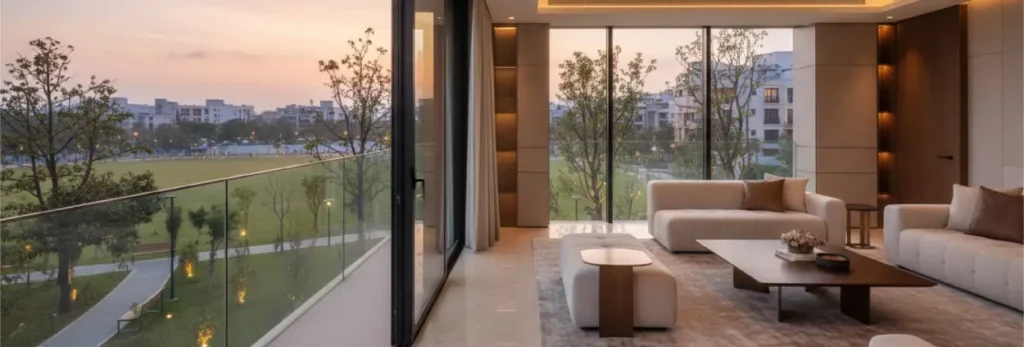
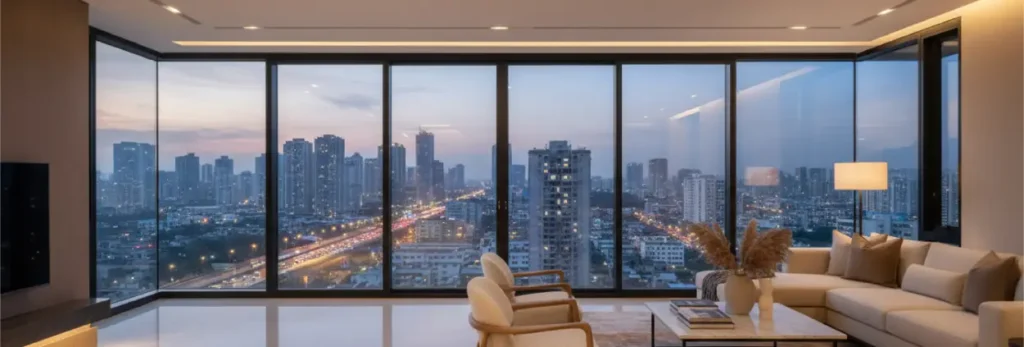
- Living areas benefit from larger openings that encourage natural airflow.
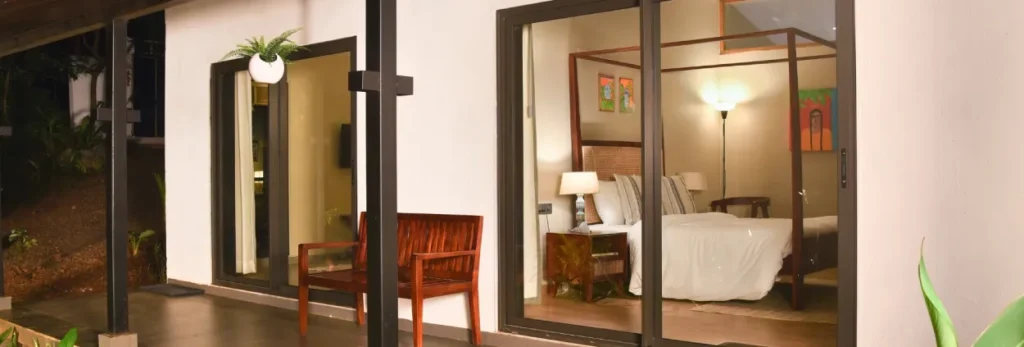
- Bedrooms require controlled ventilation to maintain comfort during rest.
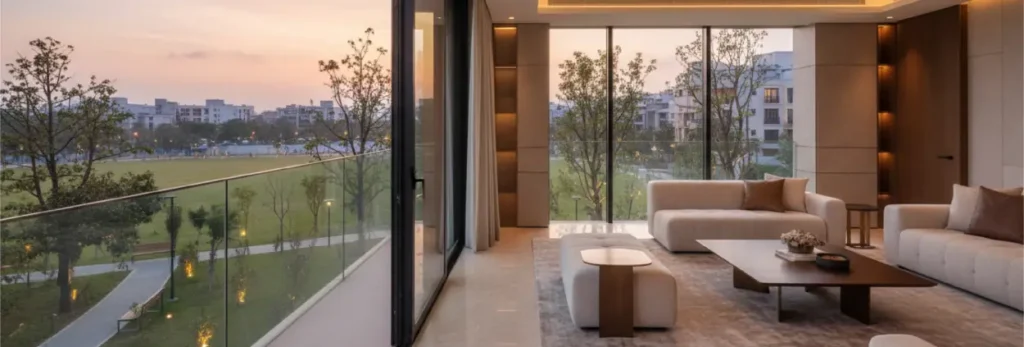
- Balcony-facing windows improve airflow while still protecting against rain and wind.
- Windows positioned at varying heights can improve air circulation efficiency.
Thoughtful placement turns standard openings into effective indoor cooling windows suited for daily living.
Weather Performance and Cooling Efficiency
Cooling should not compromise protection from weather conditions.
- Strong frames withstand cyclonic winds without flexing.
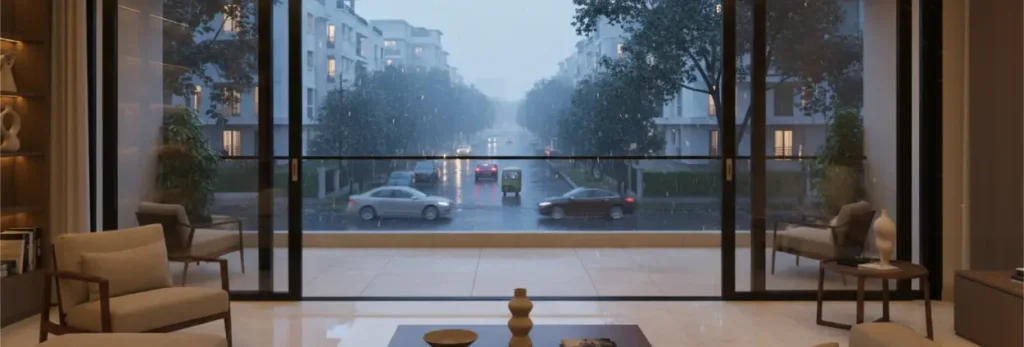
- Water tightness keeps interiors dry during heavy rainfall.
- Air sealing prevents dust and noise infiltration.
- Reliable performance ensures comfort throughout changing seasons.
High-performing energy-efficient windows balance ventilation with protection, ensuring year-round reliability.
Factors That Influence Cooling Through Window Placement
Several design aspects affect how effectively windows contribute to indoor cooling.
- Orientation of the home and exposure to sunlight
- Size and number of window openings
- Type of glass used for insulation support
- Quality of frame construction and gasket sealing
About Eternia
Eternia offers premium aluminium window and door solutions designed for modern Indian homes. Built using Duranium, a special aluminium alloy developed by Hindalco for Eternia, these systems deliver enhanced strength and long-term durability.
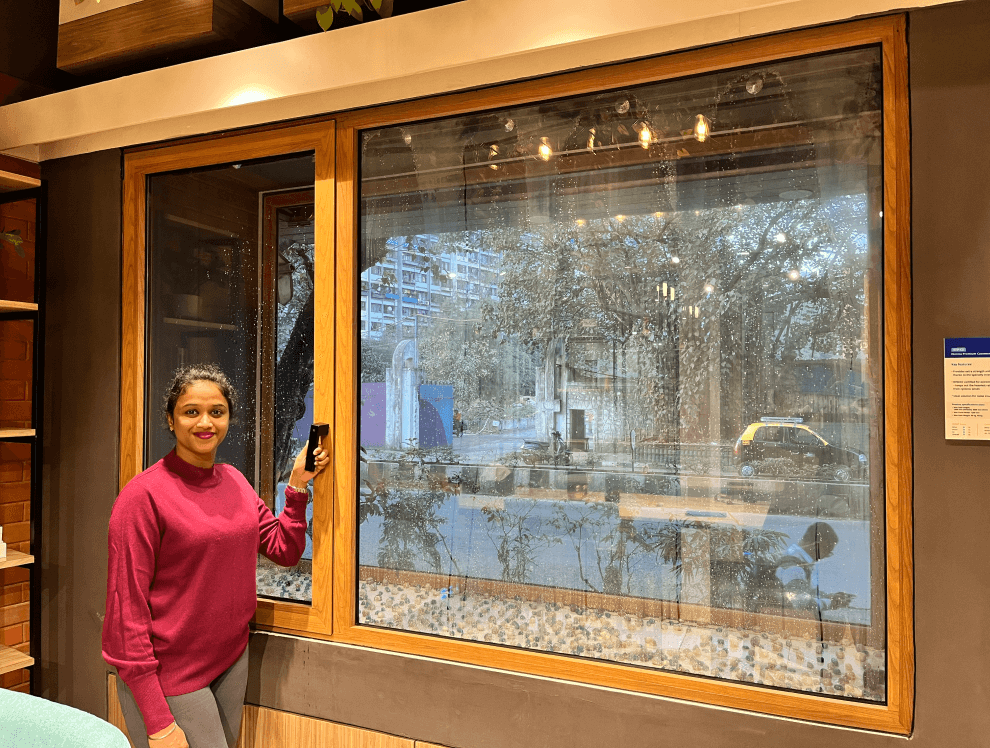
Eternia’s aluminium windows for home applications are tested for wind resistance, water tightness, and air sealing. With strong glass integration and high-quality gaskets, Eternia windows help reduce outside noise and support balanced indoor environments. Designed to endure challenging weather conditions, Eternia solutions combine performance with contemporary aesthetics.
Warranty coverage includes long-term assurance on profiles and dependable support on hardware, reinforcing reliability and peace of mind.
Conclusion
The placement of windows plays a vital role in shaping indoor comfort and cooling efficiency. Strategically positioned aluminium windows for home environments enhance cross ventilation, regulate sunlight, and maintain temperature balance throughout the day. By combining thoughtful placement with durable frame design and reliable air sealing, modern energy-efficient windows help create interiors that feel naturally cooler, more comfortable, and well-connected to their surroundings.


Frequently Asked Questions
Proper placement of aluminium windows improves cross ventilation and airflow, helping reduce indoor heat buildup naturally.
Yes, well-designed energy-efficient windows support temperature balance through effective air sealing and glass performance.
When strategically positioned, aluminium windows for home applications help manage sunlight exposure and improve natural cooling.
Effective indoor cooling windows combine thoughtful placement, secure glass integration, and proper air sealing to maintain comfortable interiors.


Our consultants will give a closer Look!
WHATSAPP VIDEO CALL AT YOUR CONVENIENCE
Schedule a Video call or Request Real Images and Videos