

 +91 97699 40000
How Modern Windows Improve Natural Ventilation
TL;DR: Good ventilation is fundamental to comfortable, healthy living, particularly in India’s diverse and often demanding climate. Casement windows, openable windows, and sliding windows each approach the challenge of airflow differently, and understanding those differences helps homeowners make smarter choices. This guide breaks down how each window type works, which spaces they suit best, and what to look for in aluminium casement and sliding window systems for Indian homes.
Step into a well-ventilated home on a warm afternoon and the difference is immediately, physically apparent. The air moves. There’s a faint cross-breeze that makes the temperature feel several degrees lower than it actually is. Rooms smell fresher, feel cleaner, and have a quality of aliveness that mechanically cooled spaces, however comfortable, rarely replicate.
Good natural ventilation is one of those things you notice most acutely in its absence: the stuffiness of a sealed apartment, the staleness of air that hasn’t moved in hours, the particular discomfort of humidity with nowhere to go.
For Indian homeowners, ventilation isn’t simply a comfort consideration; it’s a health one. India’s climate ranges from the humid coastal air of Mumbai and Kochi to the dry, dusty summers of Delhi and Rajasthan, from the cool highland breezes of Pune and Bengaluru to the intense, sticky heat of Chennai and Kolkata before the monsoon breaks. Managing airflow through a home, to bring in fresh air when it’s welcome and seal it out when it isn’t, is fundamental to daily wellbeing.
Understanding Natural Ventilation: How Air Moves Through a Home

Before exploring the specific characteristics of different window types, it’s worth understanding the basic physics of natural ventilation, because this knowledge directly informs where windows belong in a well-designed home.
Natural ventilation is driven primarily by two forces: wind pressure and thermal buoyancy. Wind pressure is straightforward: when a breeze strikes one side of a building, it pushes air through openings on that side and draws air out through openings on the opposite side. The greater the pressure difference between the inlet and outlet openings, the stronger the airflow through the building. This is why cross-ventilation, with openings on opposite sides of a room or building, is much more effective than single-sided ventilation, which relies only on turbulence and diffusion.
Understanding these principles reveals why the type and placement of windows matter so much. A large fixed glass panel admits light beautifully but contributes nothing to ventilation. An openable window of modest size, correctly positioned, can create a draught that transforms a room’s comfort..
-
Casement Windows: The Most Effective Openable Window for Directed Airflow
Of all the common window types, the casement window is arguably the most effective at capturing and directing natural airflow, and this is rooted in its fundamental operating principle.
When a casement window opens outward, the sash itself acts as a scoop or deflector. Depending on the wind direction and the sash’s opening direction, it can channel air directly into the room even when the wind is not blowing perpendicular to the window.
This directional advantage is particularly valuable in Indian cities, where the orientation of homes relative to prevailing monsoon winds and seasonal breezes varies considerably. A casement window that can be opened at different angles gives the homeowner meaningful control over how much air enters and from which direction, offering far more nuanced control than a sliding window, which simply opens a fixed gap of variable width.
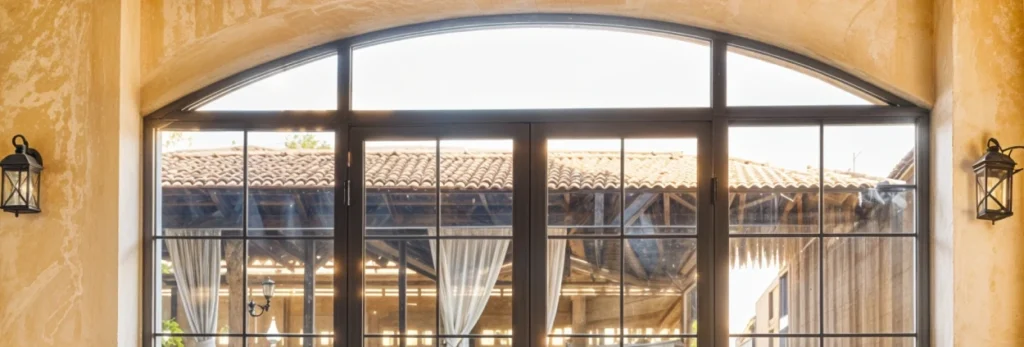
For bedrooms and studies, rooms where directed, controllable airflow is most valued, and where acoustic performance when closed is most important, the aluminium casement window is typically the strongest choice. It’s also the most suitable window type for spaces where opening outward doesn’t conflict with external features: gardens, setbacks, and open facades all suit casement operation well.
-
Sliding Windows: High-Volume Ventilation Across Wide Openings
While casement windows excel at directed airflow and sealing performance, sliding windows serve a different but equally important function: providing high-volume ventilation across wide openings in spaces where the priority is moving as much air as possible.
The operating principle of a sliding window is simple: one or more sashes slide horizontally along a track, opening a portion of the overall frame to the outside. Unlike casements, sliding windows don’t protrude beyond the wall plane when open, which makes them ideal for spaces facing walkways, corridors, external staircases, or anywhere that an outward-opening sash would create an obstruction or safety risk.
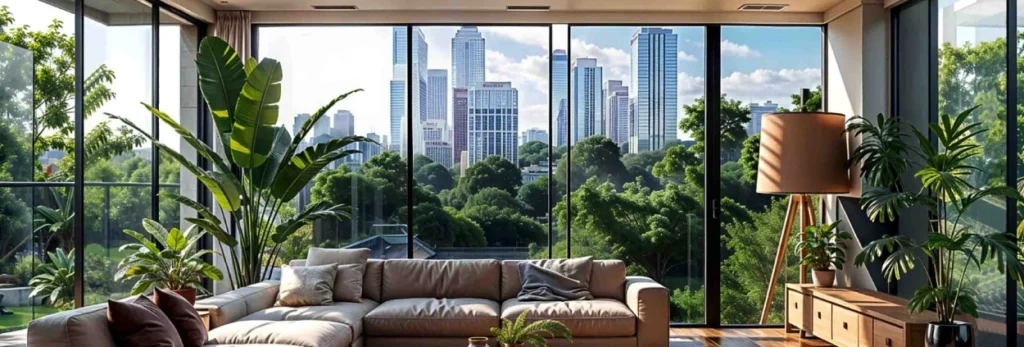
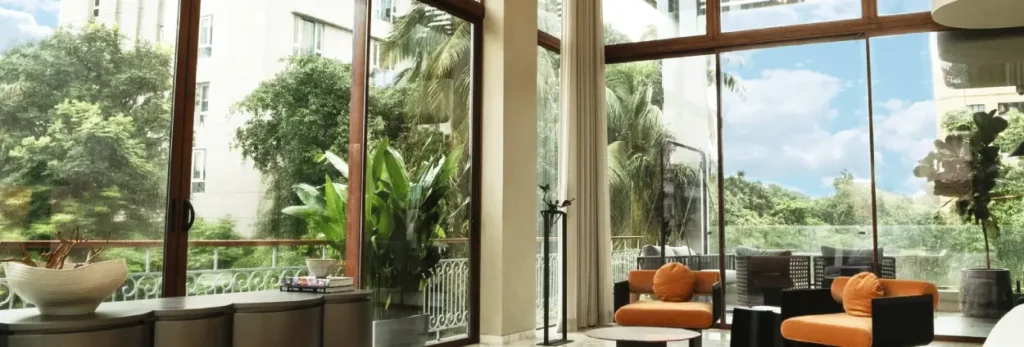
In Indian residential design, sliding windows are most commonly found in living rooms, dining areas, and other spaces with wide exterior walls. Their ability to span large openings, with multiple sashes on multiple tracks, makes them the natural choice when the goal is to create an open, breeze-catching facade rather than precisely directed airflow.
The integrated pest mesh in sliding windows, a collapsible mesh that folds neatly away is excellent at allowing free ventilation, especially in the evenings and during the post-monsoon season when mosquitoes are most active while keeping insects out.
-
Openable Windows: Flexibility Across Different Room Types
The term “openable windows” is broader than it might initially appear, and exploring the full range of configurations within this category reveals options particularly well-suited to specific rooms and situations that casement or sliding types alone don’t fully address.
- Top-hung windows, where the sash is hinged at the top and opens outward from the bottom, are particularly useful in bathrooms, service areas, and any space where ventilation is needed but privacy or security must be maintained even when the window is open.
- Tilt-and-turn windows offer a dual-mode operation that’s becoming increasingly popular in Indian homes, particularly for bedrooms in urban apartments. In the tilt position, the sash opens inward at the top on a horizontal hinge, creating a narrow gap at the top of the window for gentle, diffuse ventilation, ideal for sleeping with some fresh air without the full draught of a wide-open casement.
- Combination configurations, a sliding window with a fixed panel, or a casement with a fixed light above are worth considering when you’re balancing ventilation needs against structural or aesthetic requirements. A fixed panel maximises glass area and light, while the operable portion efficiently handles ventilation.
Matching Window Types to Rooms: A Practical Guide for Indian Homes
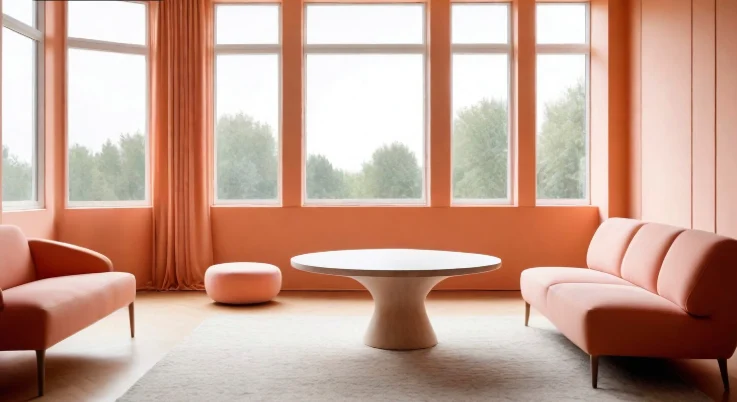
The question of which window type belongs in which room deserves more attention than it typically receives. Many homeowners specify the same window type throughout a home simply out of habit or for cost simplicity, missing the opportunity to optimize each space for its specific use and ventilation requirements.
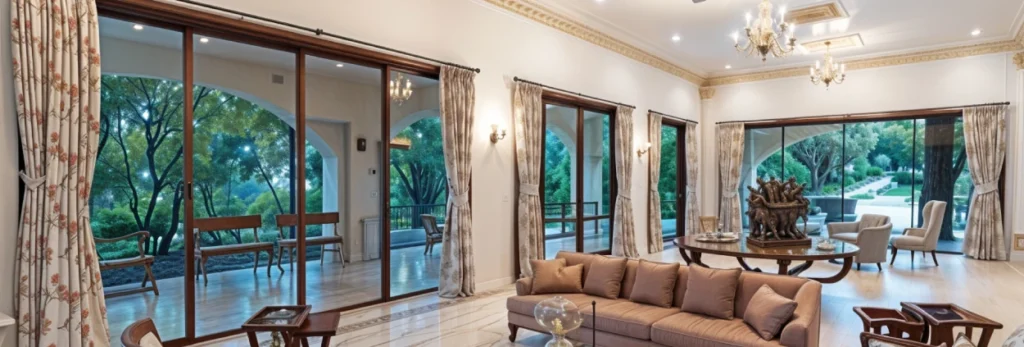
- Living rooms and reception areas benefit most from wide sliding window configurations that can open large sections of the facade to prevailing breezes. A living room that faces a garden, a courtyard, or an open view should be designed with maximum openable area in mind.
- Bedrooms call for more nuanced ventilation control. A gentle, directed cross-breeze, created by casement windows on opposite walls, is ideal for sleeping comfort. The ability to partially open, to angle the sash precisely, and to seal completely when needed makes the aluminium casement window the natural choice for bedrooms.
- Kitchens have specific ventilation requirements driven by cooking, the need to extract heat, moisture, and cooking odours quickly and efficiently. Top-hung or side-hung casement windows positioned above the cooking area, designed to open outward, direct rising hot air out of the kitchen effectively.
- Bathrooms and wet areas need ventilation that works even when privacy must be maintained. Top-hung windows, frosted glass, and high-placed openings all serve this need.
- Home offices and studies benefit from controllable, draught-free ventilation, enough fresh air to maintain concentration and air quality, without the distraction of strong breezes disturbing papers or creating temperature discomfort.
Conclusion
The way a home breathes is one of the most underappreciated aspects of residential design, and the windows responsible for that breathing deserve far more careful thought than they typically receive. Casement windows, openable windows, and sliding windows each approach the challenge of airflow from a different angle, and the right choice depends on the specific room, its orientation, its relationship to prevailing winds, and the balance of ventilation and weather-sealing performance required.
Premium aluminium systems, built on strong alloys, finished with precision, and certified for real-world weather performance, provide the tools to get this right. Whether it’s an aluminium casement window angling a monsoon breeze into a bedroom, a wide sliding window opening a living room to an evening draught, or a tilt-and-turn configuration offering gentle ventilation through the night, the result is a home that feels fundamentally better to live in.
Ventilation is not an afterthought. It is, quite literally, the breath of a home. Choose the windows that do it justice.
Frequently Asked Questions
Casement windows hinge on one side and open outward, allowing the sash to act as a directional scoop that channels airflow into the room, even from oblique wind angles. This makes them excellent for directed, controllable ventilation. Sliding windows open horizontally across a track and are better suited to wide openings where high-volume airflow across a large facade is the priority. Both are effective types of ventilated windows, but they serve different ventilation roles best.
Aluminium casement windows are generally the strongest choice for bedrooms. Their ability to open at variable angles gives precise control over airflow; their sealing performance when closed is superior to that of sliding windows; and their acoustic insulation, particularly with quality gaskets and wool-pile sealing, provides genuine quietness when needed. Tilt-and-turn casement configurations add further flexibility for gentle overnight ventilation without the full draughtiness of an open casement.
Integrated pest mesh systems, either collapsible or pleated, are the most elegant solution. These mesh systems are built into the window frame rather than added externally, folding or rolling away when not in use and deploying when ventilation is needed. Eternia's Duraslim Slider includes a collapsible integrated pest mesh as a standard feature, specifically designed for Indian conditions where insect management is a daily consideration.
Yes, provided they carry appropriate performance certifications. At height, wind loads are significantly greater than at ground level, and water ingress from wind-driven rain is a more serious risk. Look for windows certified to high wind resistance ratings; Eternia's systems are certified to resist wind loads of up to 3kPa, and ensure the opening mechanism includes secure locking to prevent unintended movement under wind pressure.
Outside-opening casements are more common and can be angled to direct airflow inward. They're ideal where there's clear external space for the sash to open into, such as gardens, setbacks, and open facades. Inside-opening casements are useful where external obstructions make outward opening impractical, such as in apartments with narrow balconies or windows facing covered walkways. Tilt-and-turn systems offer both inward-opening options in a single frame, providing maximum flexibility for urban apartment settings.


Our consultants will give a closer Look!
WHATSAPP VIDEO CALL AT YOUR CONVENIENCE
Schedule a Video call or Request Real Images and Videos