

 +91 97699 40000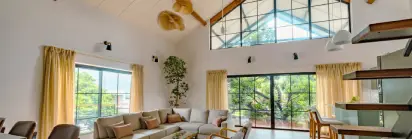
Aluminium Windows vs Steel Windows: Strength and Maintenance Comparison
Windows play a significant role in both the appearance and performance of modern homes. Choosing the right material is important because it affects durability, maintenance, and overall design compatibility. Today, many homeowners prefer aluminium for windows because it offers a balance of strength, modern aesthetics, and long-term reliability.
While steel windows have traditionally been used for structural strength, contemporary architecture increasingly favours system aluminium windows that combine durability with sleek design flexibility. Understanding the differences between aluminium and steel can help homeowners choose the right solution for their house design window requirements.
Understanding Aluminium Windows and Steel Windows
Both aluminium and steel are widely used materials in architectural design. However, their performance, maintenance needs, and design flexibility differ significantly. Key characteristics of aluminium and steel windows include:
-
Aluminium windows
Modern aluminium windows for house designs are known for their slim appearance, durability, and adaptability to contemporary architecture. Aluminium allows the creation of wide openings and clean lines that complement modern homes. -
Steel windows
Steel has traditionally been used in industrial or heritage-style buildings due to its strength. However, steel frames can appear heavier in appearance and may require more maintenance in certain environments.
Strength Comparison: Aluminium vs Steel Windows
Strength is an important factor when selecting windows, particularly for homes exposed to varying weather conditions. Both aluminium and steel offer structural reliability, but they perform differently in residential applications.
Key strength-related considerations include:
-
Structural durability
Steel is traditionally recognised for its rigidity, but modern system aluminium windows are engineered to provide strong structural support for contemporary homes. -
Support for larger openings
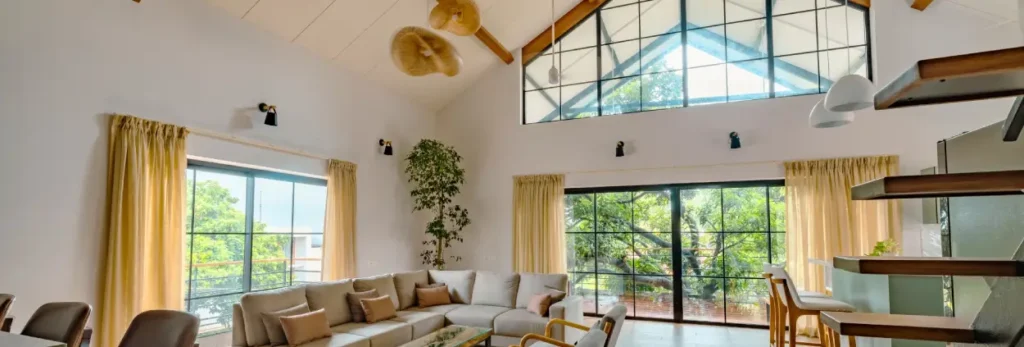
Aluminium frames allow larger glass panels while maintaining stability, making them suitable for expansive house window layouts. -
Lightweight advantage
Aluminium frames are lighter than steel, allowing easier installation and greater design flexibility. -
Weather performance
Well-designed aluminium frames can endure strong winds and challenging weather conditions when engineered properly. -
Compatibility with modern architecture
Aluminium is widely preferred for modern homes because it supports sleek, minimal window profiles.
Maintenance Differences Between Aluminium and Steel Windows
Maintenance requirements often influence long-term satisfaction with window systems. Aluminium and steel differ significantly in this area. Important maintenance-related differences include:
-
Resistance to environmental exposure
Aluminium performs well in varied climates and urban environments, making aluminium windows for house a reliable option. -
Lower upkeep requirements
Aluminium frames generally require minimal maintenance to maintain their appearance and functionality. -
Steel maintenance needs
Steel frames may require more attention over time, particularly in environments exposed to moisture or pollution. -
Long-term durability
Modern aluminium windows are designed for long-term performance with consistent structural stability. -
Design longevity
Aluminium frames maintain their sleek appearance over time, making them suitable for evolving home designs.
Design Flexibility and Aesthetic Appeal
Design versatility plays an important role in modern home construction. Aluminium offers greater flexibility in terms of aesthetics and architectural integration. Key design advantages include:
-
Slim and modern appearance
Aluminium frames can be manufactured with slim profiles that complement contemporary architecture. -
Support for diverse window styles
Many aluminium windows are available in multiple configurations that suit various home layouts. -
Compatibility with modern glass panels
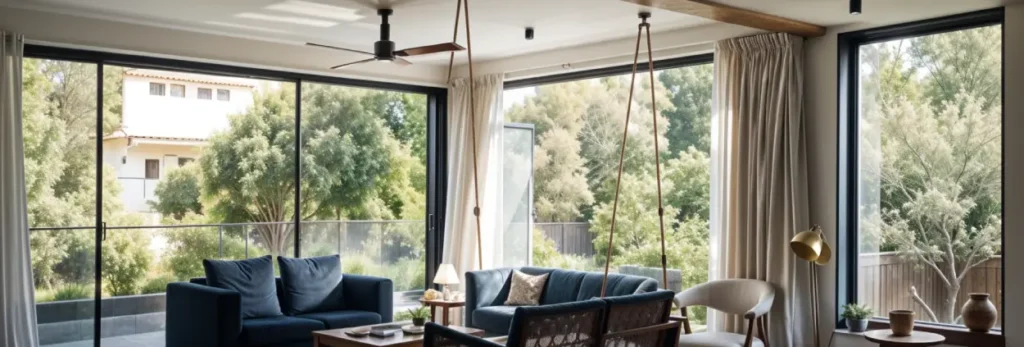
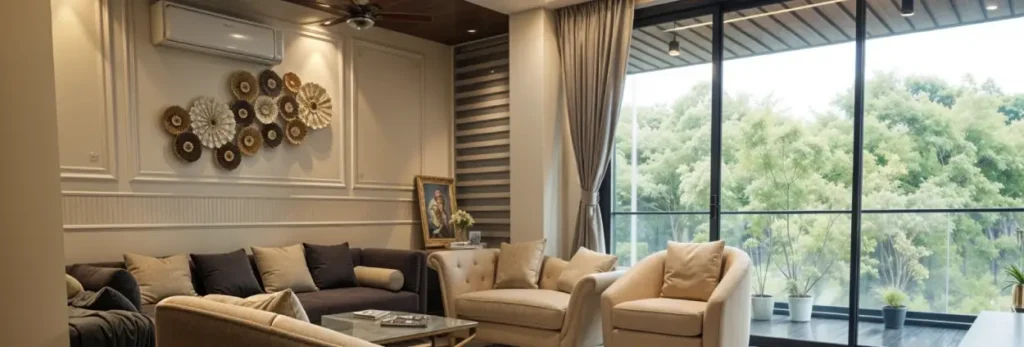
Aluminium frames work well with large glass surfaces, enhancing natural light and openness. -
Adaptability to different spaces
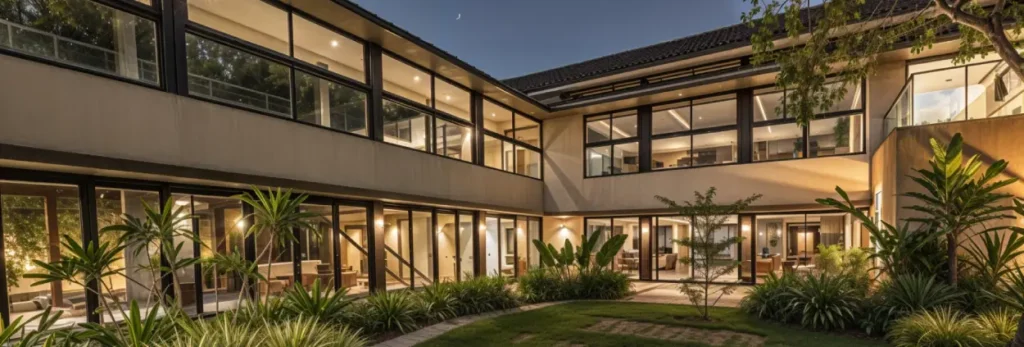
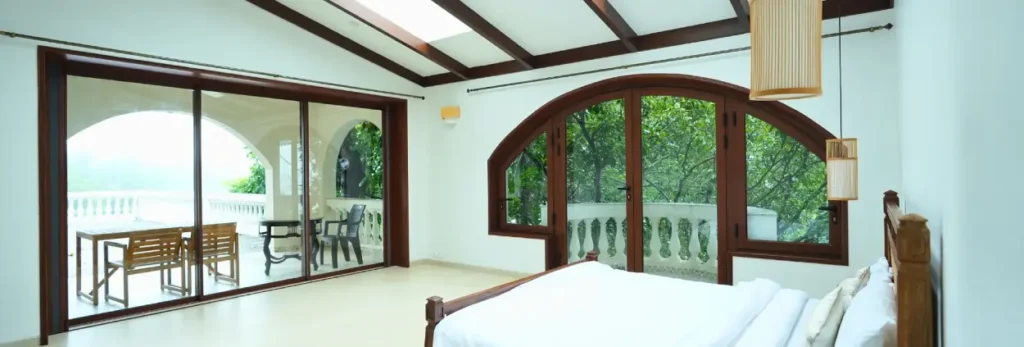
From living rooms to balconies, aluminium windows for homes can be designed to suit a range of architectural needs. -
Enhanced visual appeal
Aluminium windows support modern house design concepts with clean, refined aesthetics.
Performance Features of Modern Aluminium Windows
Modern aluminium windows offer several performance advantages that make them suitable for urban housing and contemporary architecture. Important features include:
- Properly engineered window systems can endure strong winds and maintain structural stability.
- Well-designed frames help keep interiors dry even during heavy rainfall.
- Effective sealing helps reduce dust entry and outside noise infiltration.
- Glass and aluminium frame systems can reduce external noise levels and create quieter indoor spaces.
- Quality gaskets contribute to durability and consistent window performance.
These performance characteristics make system aluminium windows a practical choice for modern residential construction.
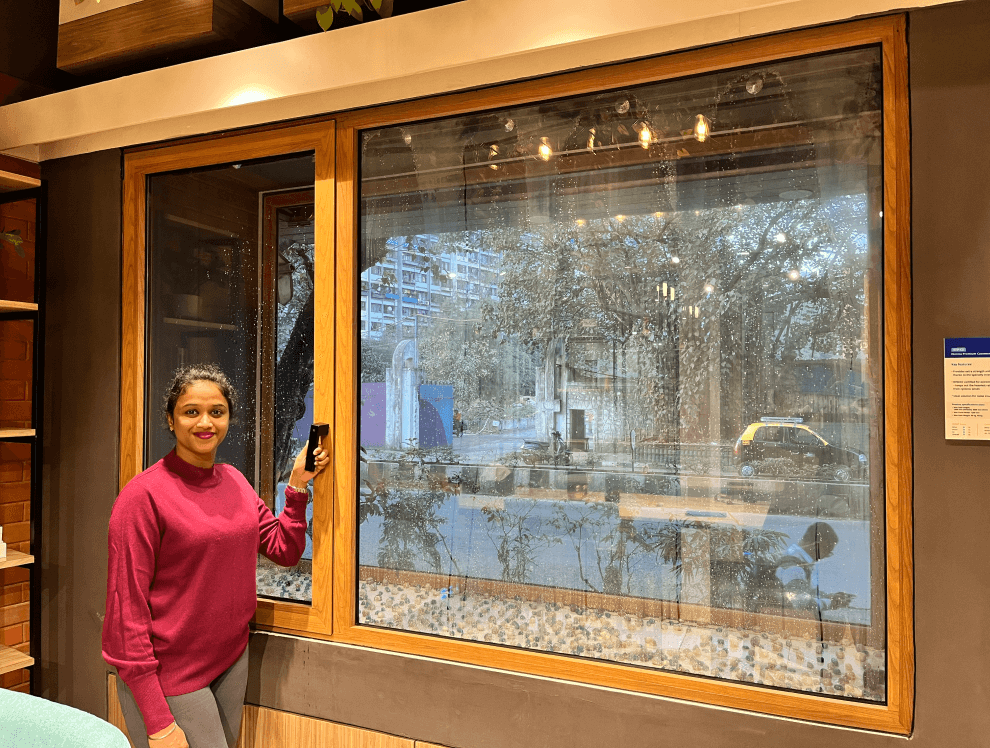
Eternia Aluminium Windows for Modern Homes
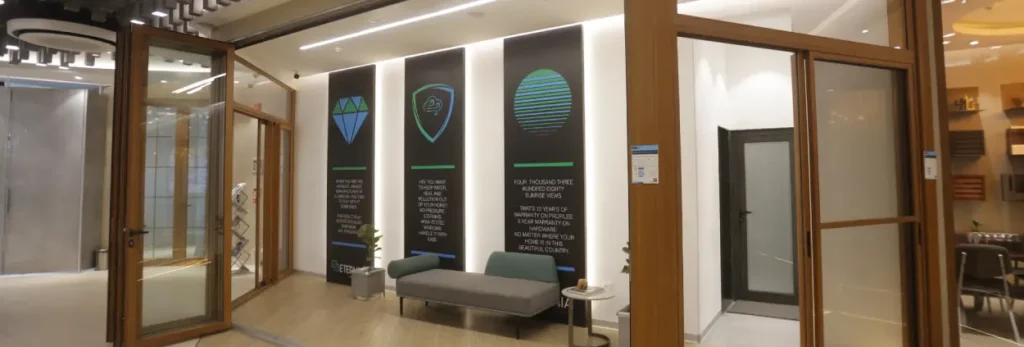
Eternia offers premium aluminium window solutions designed for contemporary residential architecture. Its range of system aluminium windows is engineered to combine strength, durability, and modern design. Key highlights of Eternia windows include:
-
Advanced aluminium innovation
Hindalco has developed a special aluminium alloy called Duranium for Eternia, which is significantly stronger than regular aluminium. -
Durable aluminium frames
Eternia designs support modern aluminium windows for houses with reliable structural strength. -
Enhanced weather performance
Eternia window systems are WiWA-certified and designed to handle wind resistance, watertightness, and air sealing effectively. -
Noise-reduction capability
Glass and aluminium frame structures help reduce external noise levels, improving indoor comfort. -
Long-term reliability
Eternia provides warranty coverage on window profiles and hardware, ensuring dependable performance.
Conclusion
Choosing the right window material plays an important role in achieving durability, design flexibility, and long-term performance. While steel windows have historically been valued for strength, modern aluminium windows offer a balanced combination of structural reliability and contemporary design.
With sleek aluminium window frames, minimal maintenance requirements, and compatibility with modern architectural styles, aluminium has become a preferred material for residential construction. For homeowners seeking stylish, durable, and adaptable aluminium windows for their house, aluminium window systems provide an effective solution that supports modern house design window concepts.



Our consultants will give a closer Look!
WHATSAPP VIDEO CALL AT YOUR CONVENIENCE
Schedule a Video call or Request Real Images and Videos