

 +91 97699 40000
Best Aluminium Window Orientations for Indian Homes: North, South, East, West Guide
 September 14, 2026
TL;DR: Which way a window faces decides how much heat and light it lets in, and in India that gap is enormous. North is easy: soft light, hardly any heat, so glaze it freely. East brings gentle morning sun. South is strong, but you can tame it with the right glass and a bit of shade. West is the problem child, with harsh afternoon heat that needs your best glass. Match window and glass to direction, and the house runs cooler, brighter, and cheaper.
Nobody planning a house thinks about this, but they should. Put two identical windows on different walls, same size, same glass, and they’ll behave nothing alike. One keeps the room pleasant all day. The other has it baking by three o’clock.
In India, that matters more than most window decisions. The sun sits high and hard for a big part of the year, and cooling bills only go one way. So before you fix sizes and styles, it helps to know how each direction behaves. Here’s the wall-by-wall guide.
Why Does Orientation Matter So Much in India?
Because the sun doesn’t treat every side of a house the same, and that decides how much heat ends up indoors. Glass lets solar heat through far more easily than a brick wall does. A window on the wrong wall, with the wrong glass, is basically a chute for heat.
Worth remembering: heat coming in through windows is one of the biggest reasons a home gets hot and the AC has to strain. Know how each direction behaves, and you can plan aluminium windows for home that cooperate with the sun. Good window design for a house in India starts here, well before anyone talks about frames.
North-Facing Windows: The Easy Direction
This is the wall to be generous with. North-facing windows get soft, indirect light all day and almost no direct sun, so heat gain stays low.
Steady, glare-free light suits the rooms you use through the day. A study. A home office. The living room. Go large here, even a big fixed pane to frame a view, and the heat penalty is small. If you get a say in where the biggest openings go, north is usually the safest place for them.
East-Facing Windows: Gentle Morning Light
Morning sun is mostly a treat. It comes in low, the air is still cool, and by the time things heat up the sun has moved on.
That makes east the obvious pick for bedrooms and breakfast spots, anywhere it’s nice to wake up to light. Aluminium casement windows do well on this side. Open them to catch the cool morning air, shut them tight once the day warms up. All the lift of morning light, none of the heat trouble you get out west.
South-Facing Windows: Strong but Manageable
South gets the most consistent sun of any direction across the Indian year. In winter you’ll be glad of it. Through a long summer, though, it means real heat unless the glass is right.
Thankfully, south is easy to manage. Double glazing is the go-to here, because the air gap between the panes slows heat on its way in. Tinted glass helps as well. And since the summer sun rides high on this side, a decent overhang or chajja blocks most of it while still letting the lower winter sun through. Good glass plus a little shade, and you keep the daylight without cooking the room.
West-Facing Windows: The One to Watch
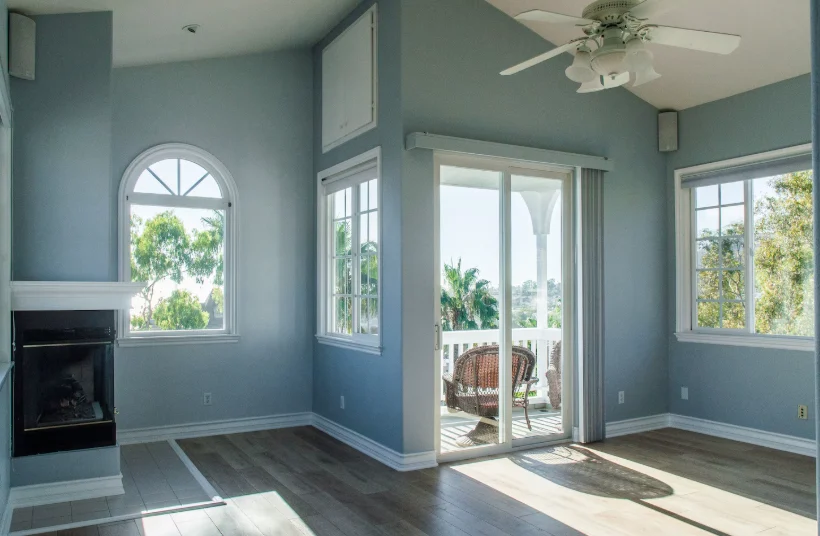
West is where most homes go wrong. These windows take the late-afternoon sun head-on, low and blazing, right when the day is already at its hottest.
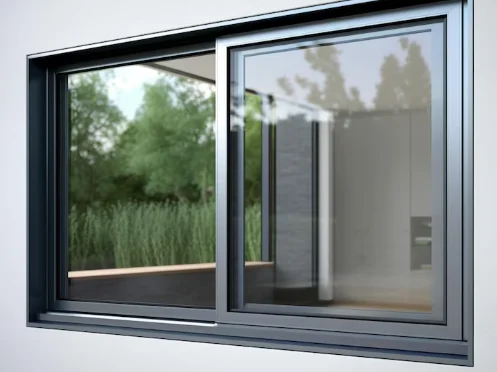
So spend your glass budget here. Double glazing and tinted glass both earn their keep on a west wall, cutting heat and glare together. Keep the openings a little smaller if you can. Use aluminium sliding windows or casements that seal properly, so you can shut them through the worst of it. And if a big west-facing window can’t be avoided, give it the best heat-control glass going. This wall punishes shortcuts.
How Do You Match Glass and Window Type to Each Direction?
You match them by treating each wall separately instead of speccing one window for the whole house. Direction tells you where the heat is coming from. The glass decides how much of it gets in.
Clear glass is fine on the north, where heat isn’t an issue, and you want the brightest result. South and west start with double glazing, with a tint on the hottest walls. Window type plays its part too. Aluminium louvre windows suit hot or overlooked walls, letting air through while shading the room. On a cooler side, an aluminium openable window gives you easy ventilation. A good aluminium window system carries all of these, which makes mixing them simple.
Don’t Forget the Frame and the Seal
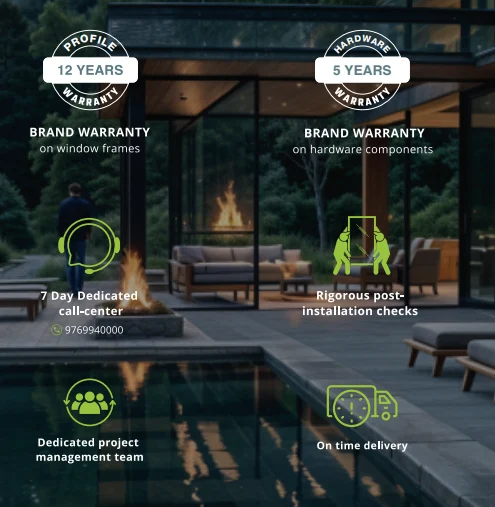
Glass isn’t the only way heat gets in. It also sneaks through gaps around a badly sealed window, hot air in, cooled air out. A leaky window quietly cancels out all that careful planning.
This is where quality shows. A well-made aluminium window seals right around the frame when it’s shut, which takes pressure off the AC directly. Eternia’s systems are WiWA certified for air sealing up to 600Pa, so they hold that seal even when the wind leans on them. They’re built on Duranium, a special aluminium alloy Hindalco developed that’s 40% stronger than regular aluminium, which is why the seal still holds after years of Indian summers instead of slowly loosening.
Planning Your Home Around the Sun
None of this is complicated. Go big on the north. Enjoy the east. Handle the south with good glass and some shade. Treat the west with respect and your best glass. Then hold it together with a properly sealed aluminium system.
Sort it out while the house is still a drawing and you’ll feel the benefit for decades. Cooler rooms. Smaller bills. A home that gets through the summer without fighting its own windows. The sun is going to hit your house every day regardless, so you may as well design around it.
Ready to plan your home around the sun? Explore Eternia’s range of aluminium windows for home and find the right glass and design for every direction your home faces. Schedule Quick Call

Aluminium vs Wooden Bathroom Doors: Why Modern Homeowners Are Making the Switch

Choosing Aluminium Windows for Homes with Children: Design and Safety Factors

Future of Aluminium Windows and Doors in India – 2026 Technology Trends
Aluminium Windows for Ground Floor Homes: Privacy, Security & Ventilation Balance

How Aluminium Windows Affect Home Resale Value in India: Real Estate Expert Insights

How Aluminium Window Design Can Influence the First Impression of Your Home?

Noise Pollution Solutions: Best Aluminium Windows for Homes Near Roads, Railways & Airports
Aluminium Window Warranties Explained: What Indian Homeowners Must Know Before Buying
Best Aluminium Window Orientations for Indian Homes: North, South, East, West Guide

Top Aluminium Windows and Door Designs for Luxury Farmhouses in 2026
Frequently Asked Questions
North, for most homes. You get soft, steady light with very little heat, so you can put in plenty of glass. East is lovely for bedrooms. South and west run hotter and need the right glass and some shade. Where you can, put the bigger windows north and east, and be more careful with the other two.
Double glazing and tinted glass, first of all, to cut the heat and the glare. Keep those openings a bit smaller if the layout allows. And pick windows that seal tightly, so you can close them through the hottest part of the afternoon. If a large west window is unavoidable, spend properly on the glass.
No. Clear glass works fine on the north, where heat gain is low. South and west need double glazing, often with a tint. Using one glass everywhere means you either overspend on the cool walls or leave the hot ones exposed.
It does, and noticeably. Badly placed windows with the wrong glass let heat flood in, so the AC runs longer and harder. Plan around the sun, pair the right glass with a good seal, and cooling the house costs less every summer for as long as you live there.
Yes, in two ways. The glass options, double glazing and tints, cut the heat coming through the pane. And a quality aluminium frame seals tightly, so hot air can't leak in around the edges. A system like Eternia's, WiWA certified for air sealing up to 600Pa, keeps that seal for years.


Our consultants will give a closer Look!
WHATSAPP VIDEO CALL AT YOUR CONVENIENCE
Schedule a Video call or Request Real Images and Videos