

 +91 97699 40000
How Aluminium Windows Affect Home Resale Value in India: Real Estate Expert Insights
 September 18, 2026
TL;DR: Windows won’t single-handedly add a fixed amount to your home’s price, and anyone promising that is guessing. What they do is shape how buyers feel about a property, how fast it sells, and how hard they push on price. Tired, leaking, or mismatched windows give buyers a reason to negotiate down. Clean, well-sealed, quality aluminium windows remove that reason, and quietly add to the sense that the home’s been looked after.
Here’s something anyone who’s spent time around property sales will tell you. Buyers don’t walk through a house with a calculator. They walk through with a gut feeling, then look for reasons to trust it or haggle.
Windows feed that gut feeling more than most sellers realise. A buyer who opens a sliding window and has to wrestle it along the track is already, in their head, knocking something off the price. One who slides it open with a finger and sees a clean, tight frame barely thinks about it. Which is exactly what you want.
Do windows actually change resale value?
Not in a neat, add-this-many-lakhs way. There’s no standard formula that says new windows equal a set percentage more at sale, and it’s worth being wary of anyone who quotes one.
What’s widely understood in real estate, though, is that condition drives price, and windows are one of the most visible signs of condition. They’re touched, opened, and looked through in every single viewing. When they work well and look good, they support your asking price. When they don’t, they hand the buyer a negotiating point.
Why buyers notice windows so quickly
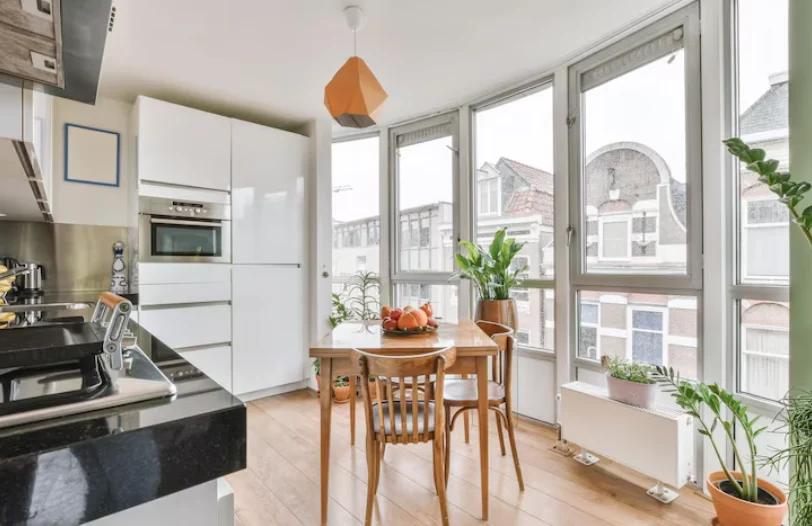
A buyer spends maybe twenty minutes in your home. In that time they’ll open a few windows, look out of most of them, and stand near them while the agent talks. Windows are hard to miss.
And they’re quick to judge. Swollen timber frames, rust streaks on old steel, faded or chalky aluminium, a sash that sticks or rattles, water stains on the sill underneath. Any of these reads as “this house needs work,” and from there the buyer starts mentally tallying repair costs, usually on the high side.
Good aluminium windows for home tell a different story. Slim, clean frames, smooth operation, no stains. It says someone’s taken care of the place.
The things buyers are really checking for

A few worries come up again and again with Indian buyers, and windows touch almost all of them.
- Leaks: After a few monsoons, nobody wants to inherit a home where rain gets in around the windows. Stained walls or sills near a window are a red flag in any viewing. Well-sealed aluminium window systems, certified for water tightness, go a long way to reassuring buyers here. Eternia’s are WiWA certified for water tightness up to 750Pa, for instance.
- Noise: For flats near main roads, how loud it is inside matters a lot. Windows that shut out traffic noise make a unit feel calmer and more valuable than an identical one where you can hear every horn.
- Heat and bills: Buyers increasingly ask how hot a home gets and what it costs to cool. Well-sealed windows with suitable glass help keep rooms cooler, which is an easy point in your favour.
- Maintenance: Buyers dislike anything that sounds like future work. Aluminium doesn’t need repainting, doesn’t rot, and doesn’t attract termites, which is a genuinely reassuring thing to be able to say.
Quality matters more than just “aluminium”
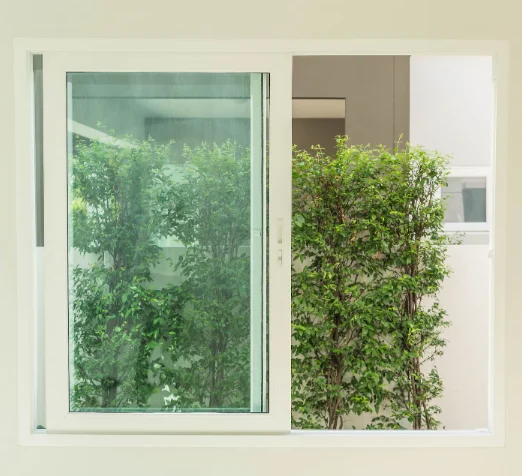
It’s worth being honest here. Aluminium on its own isn’t the selling point. Plenty of cheap aluminium windows chalk, sag, and leak within a few years, and buyers notice that just as quickly.
What helps a sale is high quality aluminium windows that still look and work like new when you come to sell. Stronger aluminium framed windows that don’t bend or drift out of alignment. Hardware that still glides smoothly. Finishes that haven’t faded. Eternia’s systems, for example, are built on Duranium, a special aluminium alloy Hindalco developed that’s 40% stronger than regular aluminium, with cycle-tested rollers and hinges. That’s the kind of build that holds up across the years you own the home, so it still makes a good impression when a buyer walks in.
Consistency across the home
This one’s easy to overlook. A house where every window matches, same frame colour, same profile, same style, looks more premium and better planned than one where different rooms have different windows from different decades.
Replacing windows piecemeal over the years is often how homes end up looking patchy. If you’re upgrading, it usually pays to use one set of aluminium doors and windows throughout, so the home reads as a single, considered whole to anyone viewing it.
Should you upgrade before selling?
It depends on the state of what you have. If your windows are working, sealed, and in decent condition, there may be no need. If they’re leaking, sticking, or visibly worn, they’re likely to cost you more in negotiation than you’d expect, and fixing them can make the home easier to sell.
And if you’re not selling any time soon, the best time to upgrade is really now. You get years of better comfort, quieter rooms, and lower upkeep yourself, and the home is in better shape whenever you do decide to sell.
Thinking about upgrading before you sell, or just planning ahead? Explore Eternia’s premium aluminium windows and doors, built to keep looking and performing well for years. Book your session now

Aluminium vs Wooden Bathroom Doors: Why Modern Homeowners Are Making the Switch

Choosing Aluminium Windows for Homes with Children: Design and Safety Factors

Future of Aluminium Windows and Doors in India – 2026 Technology Trends

Aluminium Windows for Ground Floor Homes: Privacy, Security & Ventilation Balance
How Aluminium Windows Affect Home Resale Value in India: Real Estate Expert Insights

How Aluminium Window Design Can Influence the First Impression of Your Home?

Noise Pollution Solutions: Best Aluminium Windows for Homes Near Roads, Railways & Airports

Aluminium Window Warranties Explained: What Indian Homeowners Must Know Before Buying

Best Aluminium Window Orientations for Indian Homes: North, South, East, West Guide

Top Aluminium Windows and Door Designs for Luxury Farmhouses in 2026
Frequently Asked Questions
They don't add a fixed amount, but they support the price by improving how the home looks and performs during viewings. Worn or leaking windows give buyers reasons to negotiate down, while quality windows remove those reasons.
Mostly signs of trouble: leaks or water stains, frames that stick or rattle, faded or damaged finishes, and how much outside noise gets in. Smooth, clean, well-sealed windows reassure them the home has been cared for.
Only if they're in poor condition. If they leak, stick, or look visibly worn, replacing them can make the home easier to sell and reduce price negotiations. If they're in good shape, it may not be necessary.
No. Cheap aluminium windows can chalk, sag, or leak within a few years, which buyers notice. High quality aluminium windows with strong frames, good sealing, and durable finishes hold up far better over time.
It can. Showing buyers the brand, installation date, and warranty details proves the upgrade was done properly. Check whether any remaining warranty transfers to a new owner, since this varies between brands.


Our consultants will give a closer Look!
WHATSAPP VIDEO CALL AT YOUR CONVENIENCE
Schedule a Video call or Request Real Images and Videos